
Roof Replacement After Tree Damage
After a tree or large limb strikes a roof, protect people first, avoid unstable areas, and arrange emergency stabilization. Replacement extent depends on structural framing, decking, roof covering, flashing, water entry, and whether damage is isolated or spread across connected sections.
The search for roof replacement after tree damage often begins after an inspection, leak, storm, sale, or budget concern. The best next step is a scope that separates confirmed conditions, likely unknowns, required work, and optional upgrades.
Impact can crack rafters or trusses, puncture decking, shift walls, damage gutters and siding, and create openings that are not obvious from the ground. Tree removal, structural evaluation, temporary covering, insurance documentation, and roofing work may involve different qualified parties.
Quick answer
After a tree or large limb strikes a roof, protect people first, avoid unstable areas, and arrange emergency stabilization. Replacement extent depends on structural framing, decking, roof covering, flashing, water entry, and whether damage is isolated or spread across connected sections.
What homeowners should understand
Safety and temporary protection come first when active damage threatens the home. Permanent replacement should begin after the cause, extent, and responsible scopes are documented.
Damage can be sudden, gradual, or a combination of both. That distinction affects repair strategy and may also affect insurance handling, but the physical roof still requires an objective inspection.
Key factors that change the recommendation
- Structural movement, sagging, or cracked framing
- Punctured or displaced decking and roof covering
- Water entry and interior electrical hazards
- Damage to chimneys, skylights, gutters, and siding
- Safe access after tree removal
These factors should appear in the inspection notes, estimate, contract, or project photographs when they affect the scope. A clear record makes it easier to compare options and prevents important details from disappearing after tear-off begins.
Decision table: Roof Replacement After Tree Damage
| Condition to evaluate | Risk if ignored | Practical next step |
|---|---|---|
| Structural movement, sagging, or cracked framing | Climbing onto an impact-damaged roof | Keep occupants away from affected rooms |
| Punctured or displaced decking and roof covering | Removing evidence before photographs and claim notice | Contact emergency services or utilities if needed |
| Water entry and interior electrical hazards | Replacing shingles without inspecting framing | Document damage before temporary work when safe |
| Damage to chimneys, skylights, gutters, and siding | Allowing temporary tarps to become the permanent solution | Remove the tree using qualified professionals |
| Safe access after tree removal | Climbing onto an impact-damaged roof | Stabilize, inspect structure, and define repair or replacement scope |
How Terra Nova evaluates the damage
- Step 1: Keep occupants away from affected rooms
- Step 2: Contact emergency services or utilities if needed
- Step 3: Document damage before temporary work when safe
- Step 4: Remove the tree using qualified professionals
- Step 5: Stabilize, inspect structure, and define repair or replacement scope
A whole-roof replacement is not always necessary, but structural and water-shedding continuity must guide the decision. Insurance coverage depends on the policy and cause of loss.
What Terra Nova checks
- Structural movement, sagging, or cracked framing
- Punctured or displaced decking and roof covering
- Water entry and interior electrical hazards
- Decking, underlayment, flashing, ventilation, and drainage connections
- Access, weather protection, cleanup, and documentation requirements
Records homeowners should keep
- Inspection photographs and measurements
- Itemized estimate and signed contract
- Material selections and product documents
- Approved change orders and hidden-condition photographs
- Final invoice, warranties, permits, and completion records
Cost, contract, and scope considerations
Emergency protection, diagnostic work, structural repair, permanent roofing, and interior restoration may be separate scopes. Accurate separation makes budgeting and insurance documentation clearer.
For broader pricing context, review How Much Does a New Roof Cost in New Jersey?, then use a site-specific inspection to determine the actual roof area, pitch, layers, access, material system, flashing, ventilation, decking allowances, and disposal requirements for your property.
Common mistakes homeowners should avoid
- Climbing onto an impact-damaged roof
- Removing evidence before photographs and claim notice
- Replacing shingles without inspecting framing
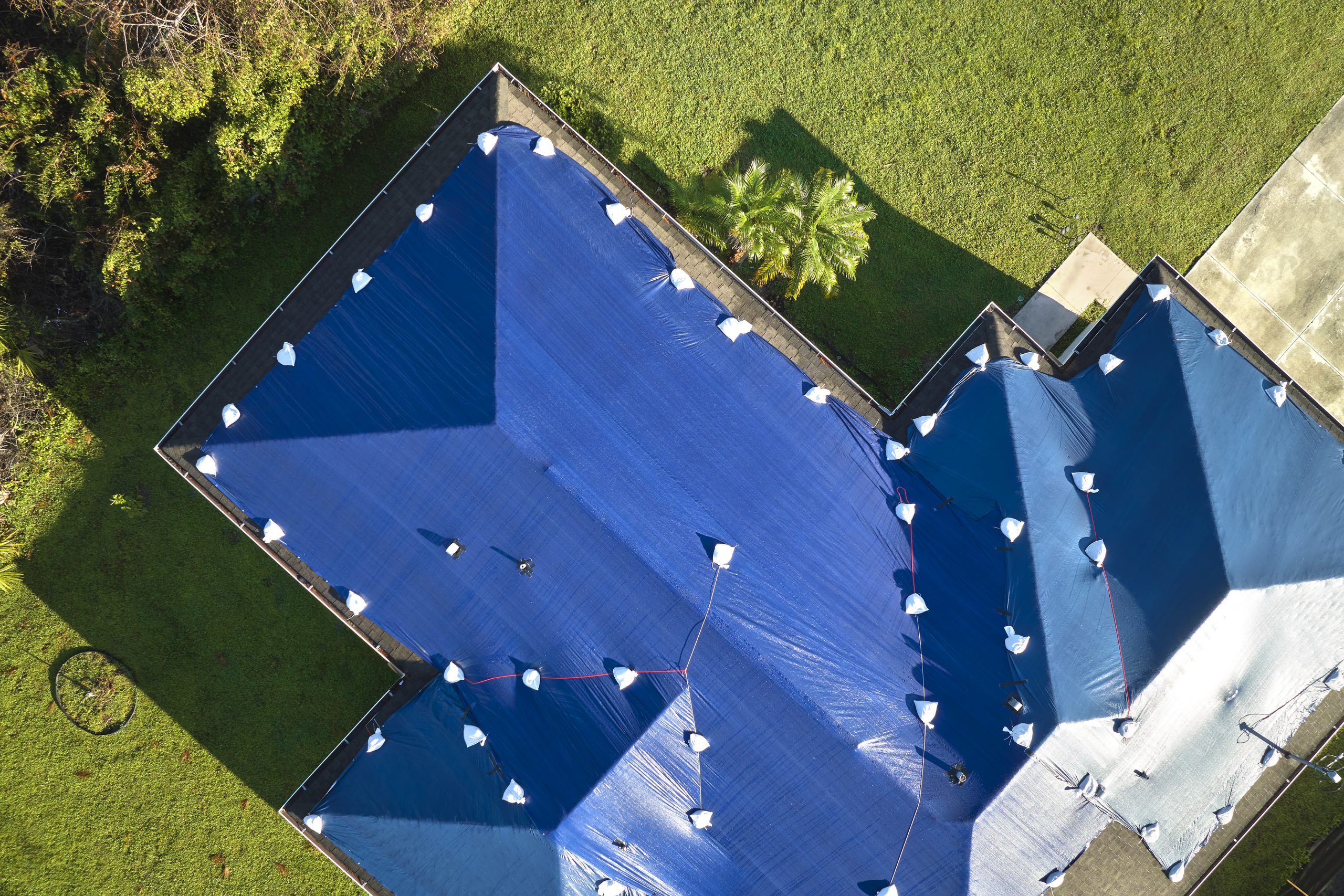
- Allowing temporary tarps to become the permanent solution
North Jersey roofing considerations
New Jersey weather tests roof edges, valleys, flashing, penetrations, and attic moisture control. Local relevance means designing for those conditions and the actual house—not repeating city names without changing the roofing analysis.
Municipal permit or inspection requirements can vary by location and scope. The contract should state who verifies and handles applicable requirements before work starts.
Related Terra Nova roofing services and original resources
- Roof Replacement New Jersey
- Roofing Contractor New Jersey
- How to Identify Roof Storm Damage
- Roof Inspection in North Jersey
- Roof Leak Repair New Jersey
- Does Homeowners Insurance Cover Roof Replacement?
Related roof replacement resources
Related roof leak resources
Frequently asked questions
Who should remove the tree from the roof?
Use a qualified tree professional, coordinated with emergency and structural needs. Roofers should not perform unsafe tree removal.
Can I stay in the house?
If there is sagging, cracking, active water near electrical systems, or structural concern, leave the affected area and seek qualified guidance.
Will insurance cover tree damage?
Coverage depends on the policy, circumstances, and resulting damage. Notify the carrier and document the condition.
Can only the impacted roof area be replaced?
Possibly, if framing and adjacent roof are sound and a durable tie-in is feasible.
Does the attic need inspection?
Yes. Impact damage and water paths are often clearer from the attic, but access must be safe.
How quickly should temporary covering be installed?
As soon as conditions are safe, to reduce further water damage. Keep invoices and photographs.
Last reviewed by Terra Nova Construction & Roofing: July 15, 2026. This page provides general educational information; property conditions, contracts, financing, insurance coverage, warranty terms, and municipal requirements vary.
Get a roof replacement evaluation
Send your address, the roof concern, known age, and photographs if available. Terra Nova can inspect the relevant roof sections, explain the options, and prepare a written scope for your North Jersey property.