
Hail Damage vs. Normal Roof Wear and Tear
Distinguishing hail damage from normal wear and tear requires comparing impact patterns, material age, granule loss, soft-metal marks, storm timing, and conditions across multiple roof slopes.
The search for hail damage vs wear and tear often begins after a storm, leak, inspection, failed patch, or recurring maintenance problem. A useful estimate should define the source, repair boundary, materials, access, hidden-condition process, and expected result.
Distinguishing hail damage from normal wear and tear requires comparing impact patterns, material age, granule loss, soft-metal marks, storm timing, and conditions across multiple roof slopes. Terra Nova Construction & Roofing uses photographs, measurements, condition notes, and a written scope to explain the recommendation for North Jersey properties.
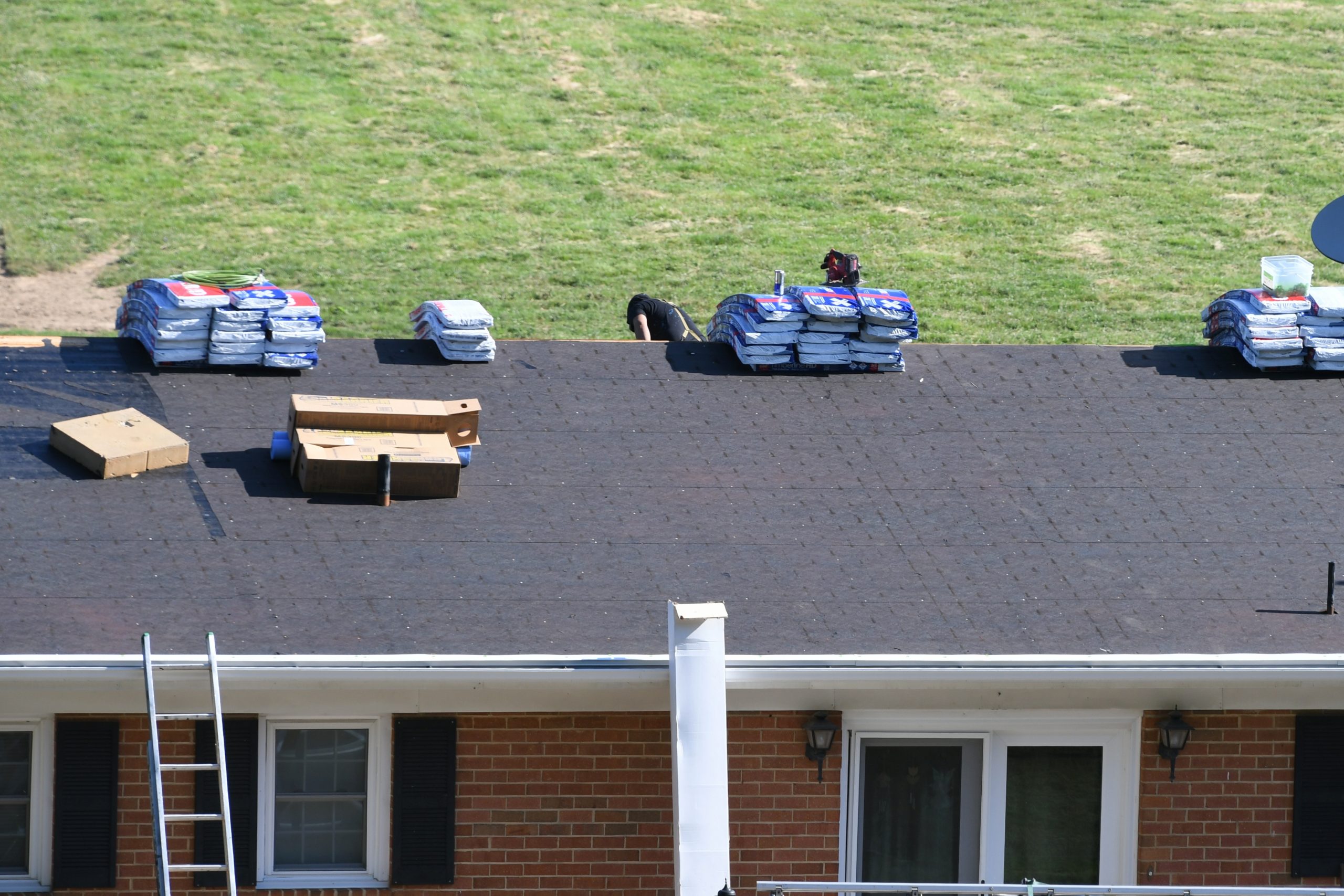

Quick answer
Distinguishing hail damage from normal wear and tear requires comparing impact patterns, material age, granule loss, soft-metal marks, storm timing, and conditions across multiple roof slopes.
The safest next step is a documented inspection and itemized scope—not roof climbing or a blind surface patch.
What homeowners should know about this condition
A professional recommendation should explain whether the condition is cosmetic, maintenance-related, actively leaking, structurally important, or likely to spread. That classification controls urgency and prevents a minor repair from being priced like full replacement—or a systemic failure from being treated like a minor patch.
This page supports the broader How to Identify Roof Storm Damage resource and is designed to help homeowners ask better questions before approving work.
What homeowners may notice first
- Repair cost is approaching the value of a broader corrective project
- Damage is visible but the correct repair boundary is unclear
- One slope looks affected while the rest of the roof is aged
- Matching shingles or components may be unavailable
- The roof leaks after the event but no obvious opening is visible
One symptom does not prove one cause. Patterns, timing, weather, and connected components should be considered together.
Why this problem develops
A useful diagnosis distinguishes the initiating cause from the damage it created. For example, a loose component may be the result of failed fastening, while rotten wood below it may be the result of months of water entry. Both need to be addressed in the correct order.
- Aging makes otherwise limited repairs difficult
- Storm damage exposes pre-existing weaknesses
- Different roof sections were installed at different times
- Wind or hail affects materials without fully removing them
- Water enters at flashing or underlayment rather than a visible hole
The diagnostic process behind a durable repair
Terra Nova begins with safe exterior and interior observations, then narrows the repair boundary. The inspection records what is confirmed, what is suspected, what cannot be seen without removal, and what would trigger a written change order.
- Step 1: Review material matching and repairability
- Step 2: Check decking, underlayment, flashing, ventilation, and interior evidence
- Step 3: Explain repair life, replacement benefits, and unresolved risks
- Step 4: Compare event-related changes with normal aging and maintenance issues
- Step 5: Assess every slope and connected transition
Condition, cause, and next-step table
| Observed condition | What it may indicate | Professional next step |
|---|---|---|
| Matching shingles or components may be unavailable | Different roof sections were installed at different times | Replace the system when damage and aging make repeated repairs poor value |
| The roof leaks after the event but no obvious opening is visible | Wind or hail affects materials without fully removing them | Document why the selected boundary is technically appropriate |
| Repair cost is approaching the value of a broader corrective project | Water enters at flashing or underlayment rather than a visible hole | Repair isolated damage with compatible materials when practical |
| Damage is visible but the correct repair boundary is unclear | Aging makes otherwise limited repairs difficult | Replace a complete slope or section when transitions require continuity |
Repair options and possible next steps
The best repair is not necessarily the largest. It is the smallest scope that can reliably correct the cause, integrate with serviceable surrounding materials, and be explained in writing. Where those conditions are not possible, a larger section or replacement may be better value.
- Repair isolated damage with compatible materials when practical
- Replace a complete slope or section when transitions require continuity
- Use monitoring when the condition is cosmetic and serviceable
- Replace the system when damage and aging make repeated repairs poor value
- Document why the selected boundary is technically appropriate
What the written scope should identify
- Confirmed cause and repair boundary
- Materials and components to be removed or reused
- Known exclusions and concealed-condition process
- Temporary protection versus permanent work
- Cleanup, photographs, warranty, and final walkthrough
Records to keep
- Dated inspection photographs
- Itemized estimate and signed contract
- Product and color selections
- Written change orders with supporting photos
- Invoice, warranty, permit, and completion records
How to choose the right level of work
Repair is generally favored when damage is isolated, matching materials are available, the surrounding system remains serviceable, and the transition can be rebuilt without creating new weak points. Replacement gains value when failures are widespread, materials are brittle, hidden damage is extensive, or the remaining life is short.
For a broader decision framework, compare Roof Repair New Jersey with Roof Replacement New Jersey and use the actual condition of the property to choose the scope.
Cost and scope variables
Estimates differ when contractors assume different repair boundaries, materials, access methods, and hidden-condition allowances. Ask each contractor to identify included work, exclusions, unit prices, cleanup, warranty, and the approval process for anything uncovered after removal.
- Material matching and minimum order quantities
- Code-related work, decking, and flashing
- Future mobilization if another section fails soon
- Extent and distribution of damage
- Roof age and brittleness
Mistakes that can shorten repair life
- Choosing replacement only because it is larger
- Choosing repair only because it is cheaper today
- Treating every mark as storm damage
- Assuming no obvious hole means no leak path exists
- Replacing one shingle without checking nearby wind creases
Planning this work for North Jersey homes
Bergen, Passaic, Essex, Hudson, Morris, and Union County homes face wind-driven rain, snow, ice, summer heat, falling branches, and rapid freeze-thaw changes. These conditions make flashing, fastening, drainage, and compatible repair materials especially important.
Municipal permit or inspection requirements can vary with the location and scope. The contract should state who verifies applicable requirements and how concealed conditions or scope changes will be documented.
A practical repair and documentation process
- Step 1: Discuss the symptom, history, and urgency
- Step 2: Inspect and document the connected system
- Step 3: Explain repair, replacement, and monitoring options
- Step 4: Provide a written scope with clear assumptions
- Step 5: Complete the work, cleanup, photographs, and walkthrough
Original Terra Nova services and resources
- How to Identify Roof Storm Damage
- What Hail Damage Looks Like on a Roof
- Roof Repair New Jersey
- Roof Replacement New Jersey
- Roof Inspection in North Jersey
- Roof Leak Repair New Jersey
- Homeowners Insurance and Roof Replacement
Related new resources in these production batches
Related roof-leak and roof-replacement resources
Frequently asked questions
Is storm-related roof damage always visible from the ground?
No. Some wind, hail, flashing, and underlayment damage is subtle or located on slopes that cannot be evaluated safely from the ground.
How soon should I schedule a storm-damage inspection?
Active leaks, openings, fallen objects, loose materials, or structural movement require prompt attention. Less urgent concerns should still be documented before additional weather changes the evidence.
Can I tarp the roof myself?
Roof access after a storm can be extremely dangerous. Use interior protection where safe and arrange qualified temporary roof protection rather than climbing onto a wet or damaged roof.
Will homeowners insurance pay for the damage?
Coverage depends on the cause, policy terms, exclusions, roof condition, and insurer investigation. A roofer can document conditions but cannot guarantee coverage.
When does storm repair become roof replacement?
Replacement may be considered when damage is widespread, materials cannot be matched or repaired reliably, decking is affected, or the remaining roof has limited service life.
What photographs should I keep?
Keep wide property views, close-ups from safe locations, interior stains, temporary protection, damaged contents, invoices, and dated photographs of completed work.
Last reviewed by Terra Nova Construction & Roofing: July 15, 2026. This page provides general educational information. Property conditions, policy coverage, warranty terms, municipal requirements, and project scope vary.
Get a professional evaluation
Send the property address, known age, photographs, and a short description of the concern. Terra Nova can inspect the connected roof or drainage components and prepare a written North Jersey scope.