
Asphalt Roofing Shingles Guide
Asphalt Roofing Shingles Guide should be evaluated as part of a complete roof assembly. Material labels alone do not establish suitability; slope, deck, drainage, climate exposure, fastening, flashing, ventilation, warranty requirements, and future maintenance all affect the decision.
Understanding asphalt roofing shingles guide helps homeowners compare proposals without confusing material names, temporary work, and permanent scope. The contractor should explain observations, assumptions, exclusions, and the expected result in writing.
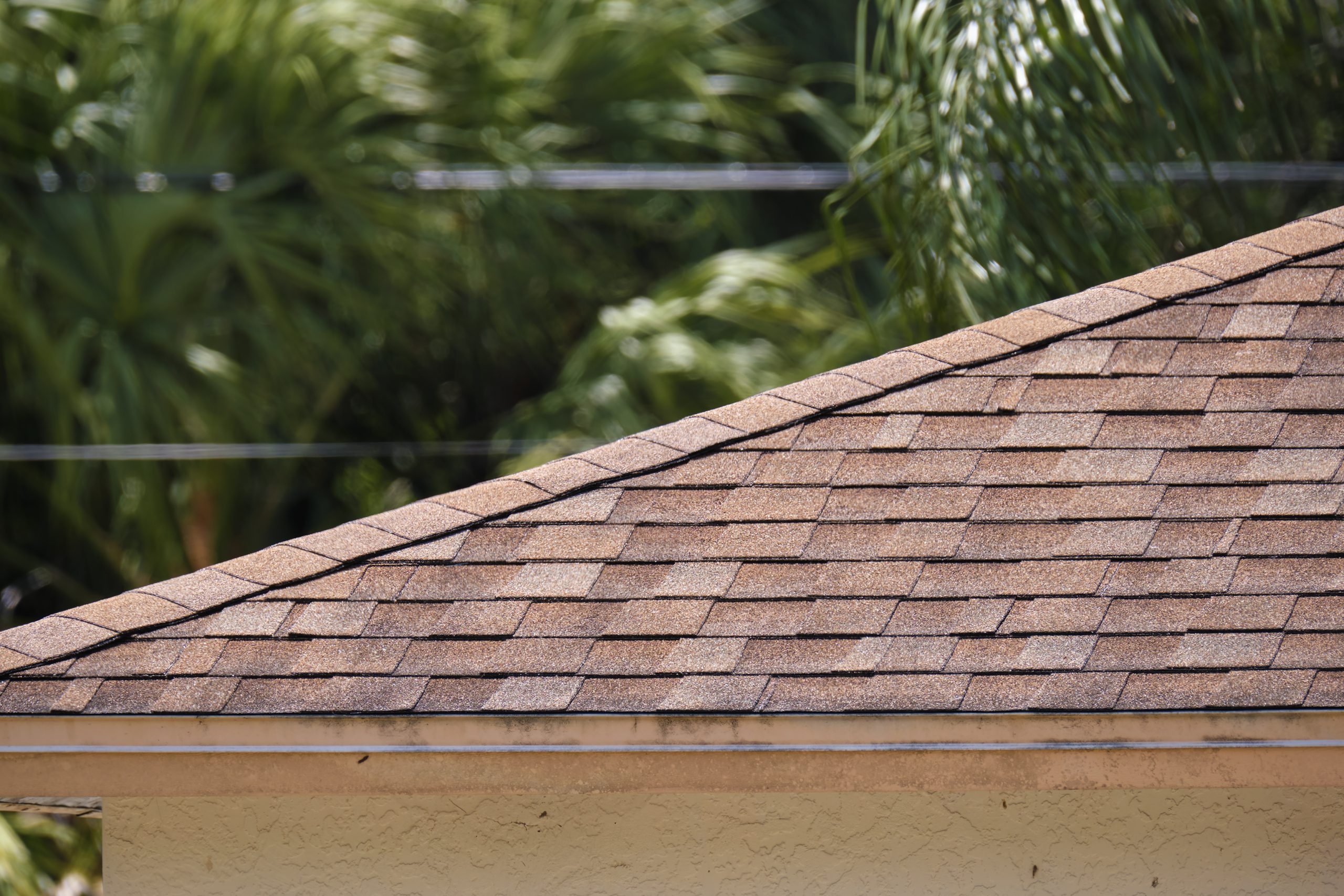
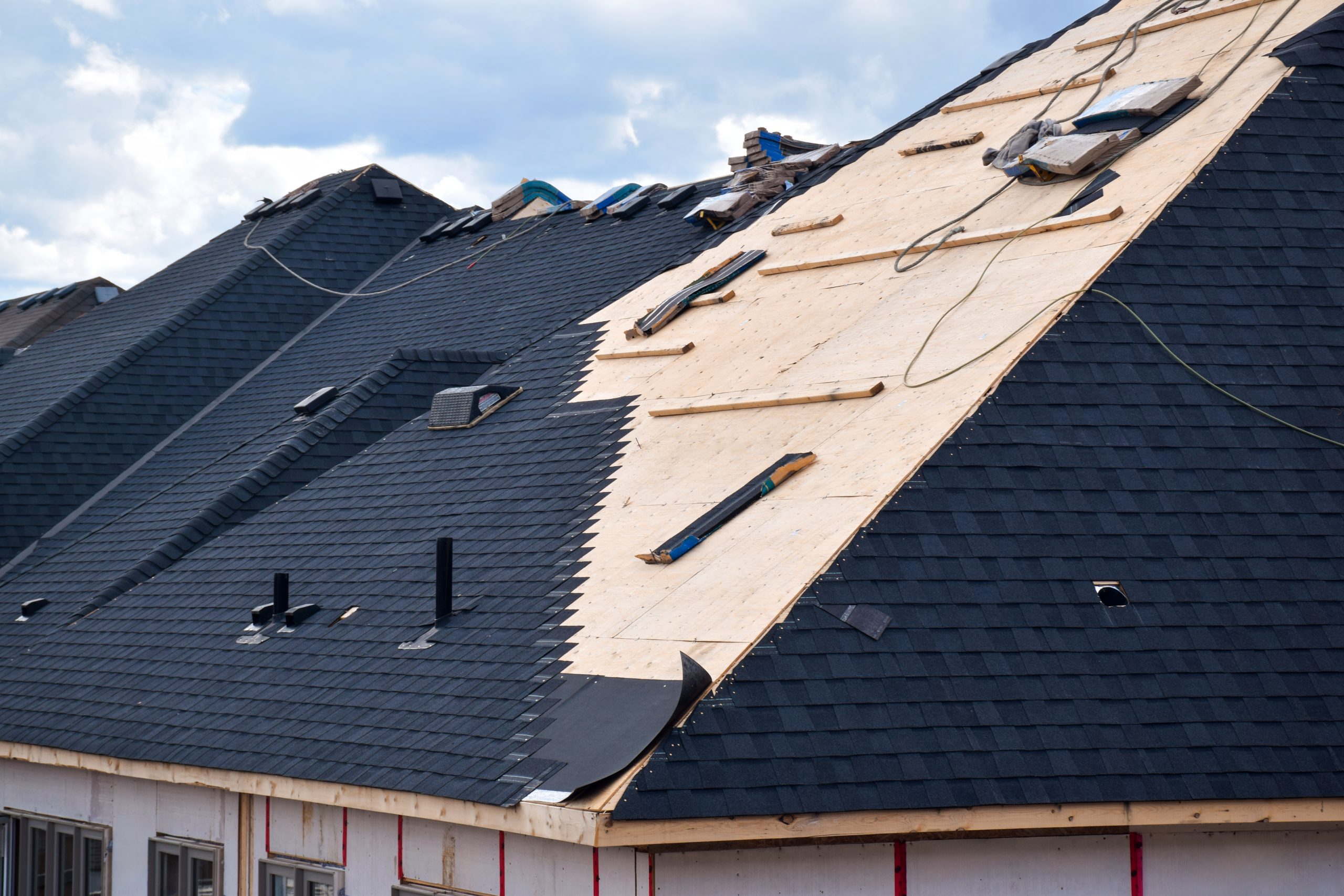
Shingles are the exposed water-shedding layer, but performance depends on the full roof assembly: deck, underlayment, starter, fasteners, flashing, ventilation, slope, and installation details. Product selection should match the house rather than a color sample alone.
Quick answer
Asphalt Roofing Shingles Guide should be evaluated as part of a complete roof assembly. Material labels alone do not establish suitability; slope, deck, drainage, climate exposure, fastening, flashing, ventilation, warranty requirements, and future maintenance all affect the decision.
The safest next step is a documented evaluation and itemized scope—not roof climbing, blind patching, or choosing a product before the existing assembly is understood.
How shingles fit into the complete roof system
Shingles are the exposed water-shedding layer, but performance depends on the full roof assembly: deck, underlayment, starter, fasteners, flashing, ventilation, slope, and installation details. Product selection should match the house rather than a color sample alone.
A roof is layered to shed water from high points toward edges and drains. When one lap, opening, material, or airflow path is wrong, the failure may appear in a different location or only under specific weather.
This page supports the broader Best Roofing Materials for New Jersey Homes resource and helps North Jersey property owners compare professional recommendations using the same evidence.
Questions to answer before choosing shingles
- Roof slope and geometry that affect product suitability. Record when it appears, which weather preceded it, and whether the condition is spreading.
- Tree exposure, algae, wind, and debris conditions. Photograph the overall area and a close view so later changes can be compared.
- Desired appearance, profile, color, and shadow line. Treat the clue as evidence rather than assuming it identifies the source by itself.
- Existing deck, ventilation, flashing, and layer conditions. Note nearby walls, penetrations, drainage, attic conditions, and recent work.
- Warranty expectations and future repair availability. Prompt inspection is appropriate when water, movement, loose material, or repeated staining is present.
For asphalt roofing shingles guide, one clue does not prove one cause. Timing, weather, roof geometry, interior location, and recent work should be considered together.
Performance factors that change the choice
Most roofing conditions develop from multiple connected factors. The contractor should distinguish the initiating cause from damage that occurred afterward.
- Differences in mat, asphalt, granules, seal strips, and reinforcement. A professional should confirm this condition before selecting materials or setting the repair boundary.
- Installation pattern and fastening requirements. The same surface symptom can result from a different uphill or concealed defect.
- Heat, moisture, shade, wind, and freeze-thaw exposure. Age, installation, movement, moisture, and prior repairs should be considered together.
- Roof pitch, valleys, penetrations, and architectural complexity. Correcting only the visible result may allow the underlying problem to continue.
- Maintenance history and compatibility with the underlying assembly. Compatibility with the existing assembly determines whether a localized correction is durable.
What should be verified before material selection
Before pricing, the contractor should define the access needed to verify hidden conditions. Any destructive opening, testing, or material removal should have a clear purpose and a plan for temporary protection.
- Step 1: Measure roof slope and identify all planes and transitions. This step connects the visible evidence to the scope and identifies connected components that may need work.
- Step 2: Inspect decking, underlayment, ventilation, and flashing. The finding should be documented with photographs and included in the written recommendation.
- Step 3: Review product instructions for the specific application. Safe access and non-destructive observations should come before any controlled opening or removal.
- Step 4: Compare samples in daylight against the exterior. The contractor should explain what was verified, what was inferred, and what remains concealed.
- Step 5: Document accessories, warranty registration, and repair availability. The result should support a repair, maintenance, monitoring, or replacement decision.
Condition, cause, and next-step table
| Observed condition or decision point | What it may indicate | Professional next step |
|---|---|---|
| Roof slope and geometry that affect product suitability | Differences in mat, asphalt, granules, seal strips, and reinforcement | Measure roof slope and identify all planes and transitions; then choose a product category that suits slope and exposure. |
| Tree exposure, algae, wind, and debris conditions | Installation pattern and fastening requirements | Inspect decking, underlayment, ventilation, and flashing; then use matching starter, ridge, underlayment, and ventilation components. |
| Desired appearance, profile, color, and shadow line | Heat, moisture, shade, wind, and freeze-thaw exposure | Review product instructions for the specific application; then specify fastening and flashing details in the contract. |
| Existing deck, ventilation, flashing, and layer conditions | Roof pitch, valleys, penetrations, and architectural complexity | Compare samples in daylight against the exterior; then plan extra material for future repairs and color matching. |
How to build a complete shingle system
A complete scope includes preparation, work to a sound boundary, compatible materials, restoration of connected details, cleanup, and final documentation. The selected option should match the confirmed condition rather than a generic package.
- Choose a product category that suits slope and exposure. The work should integrate with surrounding materials instead of relying on an isolated surface patch.
- Use matching starter, ridge, underlayment, and ventilation components. Preparation, compatible materials, fastening, laps, and final drainage details determine performance.
- Specify fastening and flashing details in the contract. The written scope should identify the boundary, exclusions, and how hidden conditions are handled.
- Plan extra material for future repairs and color matching. Photographs before, during, and after the work help document the completed assembly.
- Compare total installed systems rather than bundle price alone. A broader scope may be more reliable when deterioration extends beyond one localized detail.
What the written scope should identify
- Confirmed condition, likely cause, and work boundary
- Materials and connected components to be removed, reused, or replaced
- Known exclusions, concealed-condition allowances, and approval process
- Temporary protection compared with permanent work
- Cleanup, photographs, product records, warranty, and final walkthrough
Records to keep
- Dated inspection and weather photographs
- Itemized estimate and signed contract
- Product, color, system, and compatibility information
- Written change orders supported by photographs
- Invoice, permit when applicable, warranty, and completion records
How to choose the right level of work
The least expensive immediate option is not always the lowest lifecycle cost. Repeated mobilization, disturbed materials, interior damage, and future access should be considered with the repair price.
For a broader decision framework, compare Roof Repair New Jersey with Roof Replacement New Jersey. The condition of the actual property—not a generic age or product label—should control the recommendation.
What affects the project cost
Price is shaped by the amount of surrounding material that must be disturbed to create a durable lap or attachment. A small visible defect can require a wider controlled repair.
- Product grade, profile, and accessory requirements. Ask whether this item is included, excluded, or covered by an agreed unit price.
- Roof size, pitch, layers, and complexity. Access and concealed conditions can affect labor even when the visible area is small.
- Decking and ventilation corrections. Compare proposals using the same boundary, materials, cleanup, and documentation assumptions.
- Tear-off, disposal, access, and protection. Emergency stabilization and permanent work should be listed as separate scopes when both are needed.
- Warranty package and contractor qualification requirements. Expected service life and future disturbance should be considered with the initial price.
Questions to ask before approving the work
- What evidence confirms differences in mat, asphalt, granules, seal strips, and reinforcement?
- Will the scope include inspect decking, underlayment, ventilation, and flashing?
- What surrounding material must be removed to complete choose a product category that suits slope and exposure?
- Which conditions are known, and which remain concealed allowances?
- What photographs, product information, and warranty documents will be provided?
- What maintenance or reinspection should follow the work?
Common mistakes to avoid
- Selecting only by advertised warranty length. This can hide evidence, shorten repair life, or make later diagnosis more expensive.
- Comparing products without comparing the installed system. A quick surface treatment may redirect water without creating a durable water-shedding detail.
- Ignoring ventilation or deck condition. Unsafe access can cause serious injury and additional roof damage.
- Assuming every shingle is suitable for every slope. The repair should address connected materials, not only the point where the symptom is visible.
- Failing to keep product labels and completion records. Document the condition before temporary work changes the evidence.
Roofing terms connected to asphalt roofing shingles guide
- Laminated shingle: A multilayer asphalt shingle designed to create dimension and shadow lines.
- Seal strip: Factory-applied adhesive intended to bond shingle courses after installation.
- Starter course: The first roof-edge course that provides sealing and correct joint coverage.
- Ridge cap: Shingles or accessories shaped for hips and ridges.
- Granules: Mineral surfacing that protects asphalt and contributes color and texture.
Why North Jersey conditions matter
Local housing includes steep suburban roofs, flat additions, attached homes, dormers, masonry walls, narrow side yards, and decades of alterations. Access and neighboring-property protection can materially affect the plan.
Wind-driven rain, freeze-thaw cycles, snow, ice, summer heat, tree debris, masonry walls, flat additions, dormers, and mixed-age construction can change the way a roof performs. Municipal requirements and permit needs can also vary, so the final scope should be verified for the specific property.
Detailed homeowner decision notes
The broader roof should not be ignored. If tree exposure, algae, wind, and debris conditions appears with brittleness, repeated patches, widespread staining, soft substrate, or multiple failed transitions, a localized repair may not provide the expected value. The contractor should explain the remaining condition outside the proposed boundary.
Safety is part of the scope. Height, slope, fragile surfaces, electrical equipment, skylights, snow, wet membranes, narrow side yards, and neighboring property can change access and staging. Homeowners should not test the condition by walking on the roof or pulling materials apart.
A strong recommendation explains what could happen if the issue is monitored rather than repaired. For a stable cosmetic condition, dated photographs and a defined reinspection trigger may be reasonable. Active water entry, loose components, structural movement, or an open assembly calls for prompt professional attention.
For asphalt roofing shingles guide, the repair or selection boundary should be wide enough to reach sound, compatible materials. That may require removing an adjacent course, opening a transition, lifting edge components, or exposing a small section of substrate. The proposal should explain why that access is needed and how the assembly will be restored afterward.
Documentation is especially valuable when roof slope and geometry that affect product suitability is intermittent. Record the date, wind direction, rainfall or snowmelt, indoor humidity, and any recent rooftop work. A pattern can distinguish exterior water entry from condensation, drainage, movement, or a component that fails only under particular conditions.
Material compatibility matters because differences in mat, asphalt, granules, seal strips, and reinforcement can be made worse by an unsuitable patch, fastener, coating, sealant, or metal. The contractor should identify the existing system as accurately as practical and explain why the proposed material can bond, lap, drain, and move with it.
Original Terra Nova services and resources
Related new resources in Batches 06–08
Related roof-repair, roof-leak, gutter, storm, and replacement resources
Frequently asked questions
Is asphalt roofing shingles guide appropriate for every roof?
No. Suitability depends on slope, deck, drainage, climate exposure, existing materials, details, installation requirements, and the building owner's goals.
What should be inspected before choosing asphalt roofing shingles guide?
The contractor should verify the roof assembly, connected flashing and drainage, substrate condition, ventilation or insulation where relevant, and compatibility with the proposed system.
What most affects the cost of asphalt roofing shingles guide?
Key factors include product grade, profile, and accessory requirements, roof size, pitch, layers, and complexity, project size, access, preparation, disposal, and concealed conditions.
Does a longer material warranty always mean a better roof?
No. Warranty terms, exclusions, registration, workmanship, maintenance duties, ventilation, and the quality of installation matter as much as the headline duration.
Can the new material be installed over the existing roof?
Sometimes, but only after confirming existing layers, deck condition, weight, moisture, attachment, flashing, drainage, manufacturer requirements, and applicable project requirements.
What records should the homeowner keep?
Keep the contract, photographs, product data, color and lot information when available, permits if applicable, invoices, warranty documents, and maintenance records.
Last reviewed by Terra Nova Construction & Roofing: July 15, 2026. This page provides general educational information. Property conditions, policy coverage, warranty terms, municipal requirements, and project scope vary.
Get a professional evaluation
Send the property address, roof age if known, photographs, weather timing, and a short description of the concern. Terra Nova can inspect the connected roof, attic, flashing, drainage, or exterior components and prepare a written North Jersey scope addressing asphalt roofing shingles guide.