
Emergency Roof Mitigation in New Jersey
Emergency Roof Mitigation in New Jersey requires more than a quick visual check or surface patch. Terra Nova Construction & Roofing evaluates the roof surface, flashing, penetrations, drainage, attic evidence, and structural conditions to identify what happened and what scope will provide dependable protection.
Homeowners researching emergency roof mitigation New Jersey are usually trying to understand the urgency, whether the condition can be repaired, and what should be documented. Common contributing conditions include a reported roofing loss that must be separated into sudden covered damage, maintenance, age-related wear, prior repairs, code items, and policy-specific limitations. Because water and structural movement can travel beyond the obvious area, the visible symptom may not show the full extent of the problem.
Terra Nova Construction & Roofing is a licensed and insured New Jersey contractor based in Garfield and serving Bergen, Passaic, Essex, Morris, Union, Sussex, Somerset, Middlesex, Monmouth, Mercer, Hunterdon, and Warren counties. We focus on practical diagnostics, written scopes, correct roofing details, and clear repair-versus-replacement guidance.
Quick answer
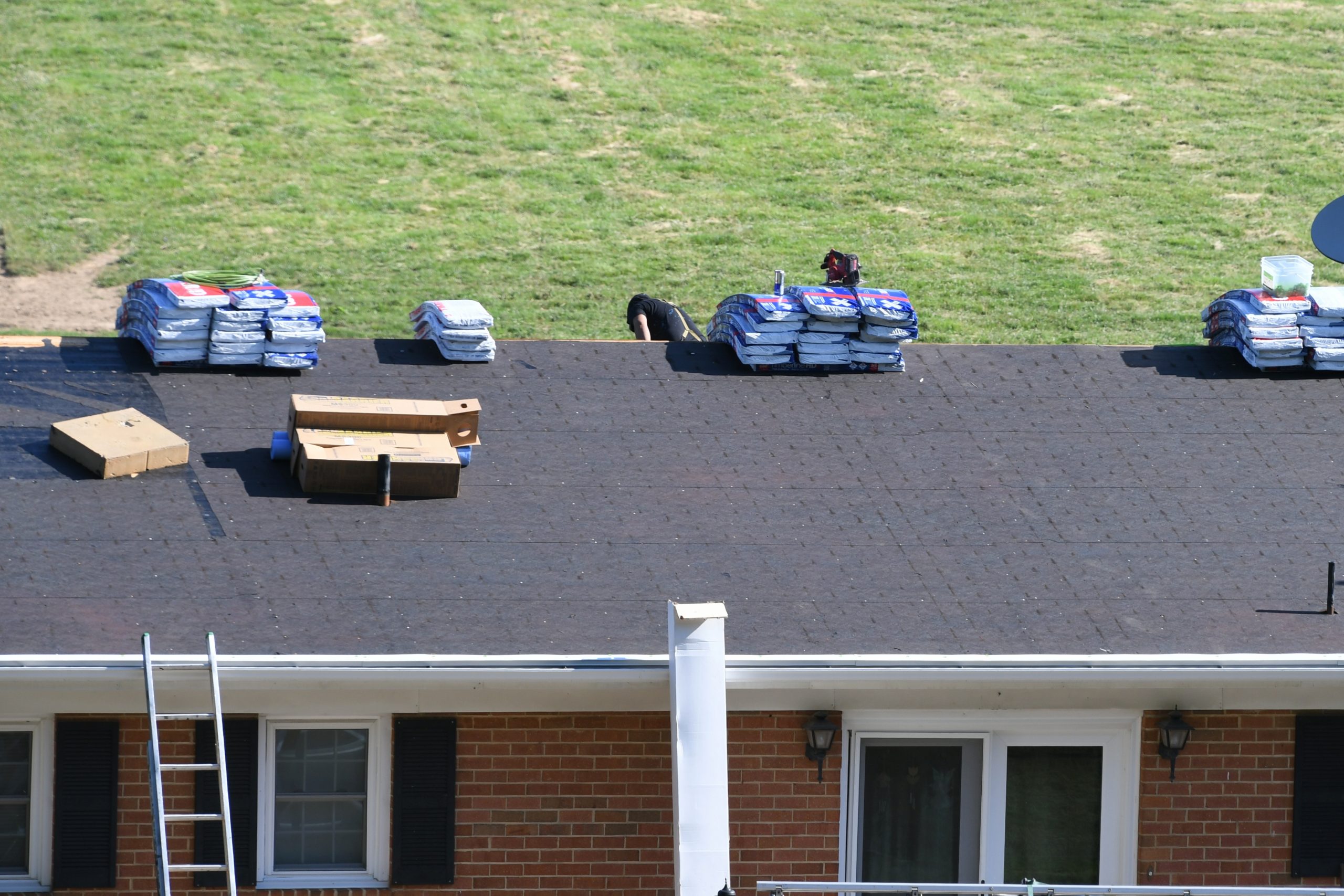
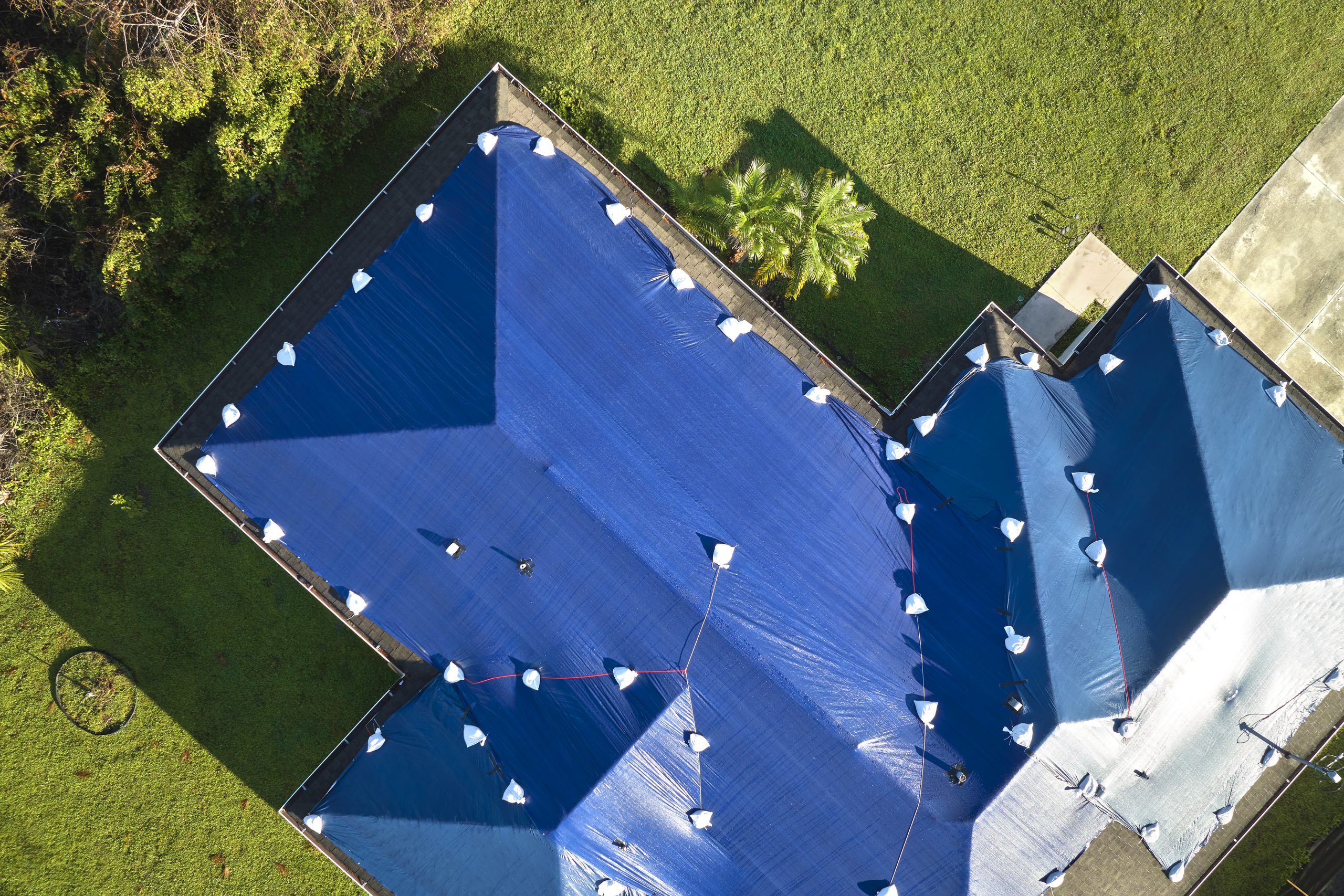
Emergency Roof Mitigation should be evaluated by tracing the cause, documenting the affected roof and interior areas, and checking whether a targeted repair will restore dependable protection. The most likely causes include a reported roofing loss that must be separated into sudden covered damage, maintenance, age-related wear, prior repairs, code items, and policy-specific limitations. Active leaks, exposed decking, structural movement, or electrical risk should be treated as urgent.
Common warning signs
- Recent storm or impact event
- Visible roofing damage with a clear date of loss
- Interior water entry after the event
- Emergency mitigation or temporary repairs
- Carrier requests for photos, estimates, or inspection records
Some signs are visible immediately, while others appear only during the next rain, thaw, or wind event. Photographs and notes showing when conditions changed can help the diagnostic process. Related resources such as Roof Inspection New Jersey, Roof Repair New Jersey, and Roof Replacement New Jersey explain the next steps.
What causes this type of roof damage?
The likely causes include a reported roofing loss that must be separated into sudden covered damage, maintenance, age-related wear, prior repairs, code items, and policy-specific limitations. Roofing systems depend on overlapping materials, secure fastening, correctly integrated flashing, sound decking, and controlled drainage. A failure in one part can affect surrounding shingles, membranes, vents, walls, gutters, insulation, or framing.
Temporary sealant or covering may reduce immediate water entry, but it should not replace a permanent correction that restores the roof’s water-shedding and structural layers. Repeated surface patches can hide the defect and make later work more difficult.
How Terra Nova diagnoses and repairs the problem
- Step 1: Protect the property from additional damage
- Step 2: Photograph conditions before permanent work
- Step 3: Review the roof, attic, and related exterior components
- Step 4: Prepare a clear written scope and supporting documentation
- Step 5: Let the carrier make the coverage decision while the contractor explains construction needs
Our goal is to match the scope to the actual condition. We explain when a localized repair is reasonable, when surrounding materials may be too brittle or damaged to disturb, and when broader replacement could offer better long-term value.
What we inspect
- Shingles, membrane, or metal roof condition
- Flashing, penetrations, valleys, walls, and roof edges
- Gutters, drains, and runoff paths
- Attic decking, rafters, insulation, and ventilation
- Collateral exterior and interior damage
What homeowners should document
- Date and cause of loss
- Exterior and interior photos
- Emergency repair receipts
- Inspection notes and written estimates
- Policy correspondence and adjuster reports
Storm damage repair cost in New Jersey
Pricing depends on roof access, pitch, material, safety conditions, emergency timing, temporary protection, hidden decking or framing damage, and the permanent scope required after inspection. Insurance-related work may also require photographs, written estimates, and coordination with the carrier.
A low quote is not necessarily a good value if it addresses only the visible surface. Compare written scopes, temporary work, materials removed and replaced, decking allowances, cleanup, flashing details, and warranty terms.
Repair versus replacement
A repair is generally attractive when damage is isolated and the surrounding roof retains useful service life. Replacement may deserve consideration when the roof is old, brittle, repeatedly patched, affected across multiple slopes, or hiding widespread decking or structural deterioration. Terra Nova explains both options without promising insurance coverage or assuming replacement is always necessary.
North Jersey weather considerations
New Jersey policies and losses vary. Storm timing, cause, maintenance history, material condition, and policy language can affect how a claim is reviewed. Terra Nova does not determine coverage.
Homes across North and Central New Jersey also vary widely in roof age, construction, tree exposure, roof pitch, attic configuration, and drainage. Local relevance means understanding how those property conditions affect diagnosis and repair—not simply repeating city names.
How to reduce future storm damage
- Schedule inspections after major wind, hail, impact, or winter events.
- Keep gutters, valleys, drains, and roof edges clear.
- Replace cracked boots, loose flashing, and damaged shingles before leaks spread.
- Maintain balanced attic ventilation and appropriate insulation.
- Trim unsafe branches using qualified professionals.
- Document roof work, warranties, and prior conditions.
Common homeowner mistakes to avoid
- Climbing onto a wet, icy, or storm-damaged roof
- Discarding damaged materials before they are documented
- Painting or patching interior stains before tracing the source
- Using exposed caulk or roof cement as the only long-term repair
- Assuming insurance coverage before the carrier reviews the claim
- Comparing prices without comparing the full scope and materials
A dependable solution addresses the actual roofing failure and protects the property from additional damage. Cosmetic interior repairs should begin only after the exterior source is corrected and affected materials are evaluated.
Related Terra Nova roofing services
- Roofing Contractor New Jersey
- Roof Repair New Jersey
- Roof Replacement New Jersey
- Roof Inspection New Jersey
- Emergency Roof Repair New Jersey
- Roofing Bergen County NJ
Related storm damage resources
Related roof replacement resources
Frequently asked questions
Should I call a roofer or my insurance company first?
Protect the property and document conditions. A roofing inspection can explain construction needs, while the insurance carrier determines coverage.
Can a roofer promise insurance coverage?
No. Contractors can document damage and prepare scopes, but only the carrier interprets the policy and decides coverage.
What photos should I take for a roof claim?
Photograph the overall property, visible exterior damage from safe locations, interior stains, damaged belongings, and temporary mitigation.
What if my roof claim is denied?
Ask for the decision and policy basis in writing. You may provide additional documentation or use review options available under the policy and applicable law.
What is a roof claim supplement?
A supplement is additional documentation submitted when the repair scope or discovered conditions differ from the initial estimate. Approval remains with the carrier.
How urgent is emergency roof mitigation?
Urgency depends on active water entry, exposed roofing, structural movement, electrical risk, and worsening weather. Active leaks or unsafe conditions require prompt attention.
Can emergency roof mitigation be repaired?
Many localized conditions can be repaired when the surrounding roof remains serviceable. Widespread damage, brittle materials, repeated leaks, or structural deterioration may make replacement the better value.
How does Terra Nova evaluate emergency roof mitigation?
Terra Nova reviews the roof surface, flashing, penetrations, drainage, attic evidence, decking, and related exterior components before recommending a scope.
Last reviewed by Terra Nova Construction & Roofing: July 16, 2026. Property conditions, insurance coverage, warranties, and local requirements vary.
Get a professional storm damage evaluation
Send your address, a short description of the problem, and photos if available. Terra Nova will review the symptoms, inspect the relevant roofing components, and explain the practical next step.
Request a free roofing quote