
Frozen Gutter Repair and Winter Drainage Problems
A plan for frozen gutter repair should balance safe access, actual debris load, guard design, roof runoff, downspout capacity, and the maintenance the system will still require.
Thank you for reading this post, don't forget to subscribe!Homeowners searching for frozen gutter repair usually want to know whether the issue is limited, what caused it, how urgent it is, and whether a repair can be completed without creating another weak transition. The answer depends on the complete assembly, not only the most visible symptom.
A plan for frozen gutter repair should balance safe access, actual debris load, guard design, roof runoff, downspout capacity, and the maintenance the system will still require. The goal is to leave the homeowner with a repair that can be inspected, maintained, and understood rather than a vague patch with no defined limitations.
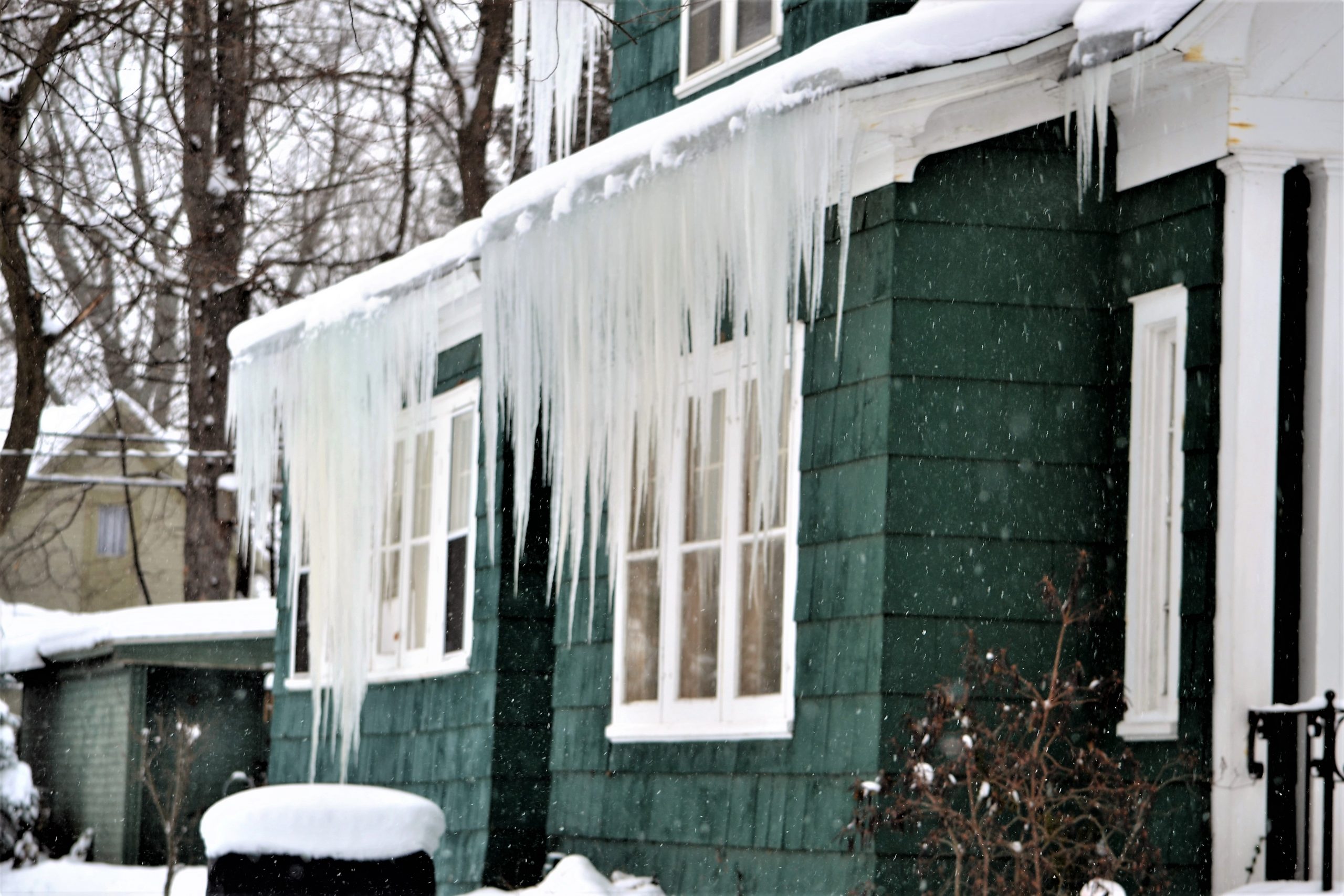

Quick answer
A plan for frozen gutter repair should balance safe access, actual debris load, guard design, roof runoff, downspout capacity, and the maintenance the system will still require.
The safest next step is a documented inspection and itemized scope—not roof climbing or a blind surface patch.
Understanding the problem before choosing a repair
The visible condition is evidence, not always the source. Water can move along decking, fasteners, framing, membranes, or trim before it appears inside. Wind can loosen a material without removing it. Drainage can fail at an outlet even when the gutter or roof surface looks clean.
This page supports the broader Gutter Installation and Repair resource and is designed to help homeowners ask better questions before approving work.
Warning signs to look for
- Debris matting on top of guards or entering through openings
- Downspouts running slowly even when the gutter looks clean
- Ice building at the eave or inside the gutter
- Plants, stains, pests, or standing water indicating neglected maintenance
- Water spilling over or shooting past the gutter during rain
One symptom does not prove one cause. Patterns, timing, weather, and connected components should be considered together.
Likely sources a contractor should evaluate
Most failures develop from a combination of exposure and details rather than one dramatic cause. For frozen gutter repair, a contractor should review installation, age, movement, moisture, prior repairs, and the way water or wind reaches the area.
- Seeds and small debris accumulating beneath guard panels
- Improper guard installation that lifts shingles or blocks flow
- No maintenance plan after guards were installed
- Guard openings too fine or too large for the property’s debris
- Roof valleys concentrating water faster than the system can accept it
How Terra Nova evaluates the affected system
Terra Nova begins with safe exterior and interior observations, then narrows the repair boundary. The inspection records what is confirmed, what is suspected, what cannot be seen without removal, and what would trigger a written change order.
- Step 1: Inspect beneath removable sections for compacted debris
- Step 2: Review roof-edge and shingle interaction before disturbing the guard
- Step 3: Plan safe access appropriate to the height, slope, and site
- Step 4: Identify the guard type and how it attaches
- Step 5: Check valleys, inside corners, outlets, and downspout flow
Condition, cause, and next-step table
| Observed condition | What it may indicate | Professional next step |
|---|---|---|
| Water spilling over or shooting past the gutter during rain | Guard openings too fine or too large for the property’s debris | Clean guard surfaces and accessible channels without damaging finishes |
| Debris matting on top of guards or entering through openings | Roof valleys concentrating water faster than the system can accept it | Remove and reinstall sections when debris is trapped below |
| Downspouts running slowly even when the gutter looks clean | Seeds and small debris accumulating beneath guard panels | Repair loose, bent, or incompatible guard components |
| Ice building at the eave or inside the gutter | Improper guard installation that lifts shingles or blocks flow | Improve outlet or downspout capacity where runoff overwhelms the system |
Professional repair approaches
A complete scope normally includes preparation, removal to a sound boundary, replacement or correction of failed components, restoration of the surrounding system, cleanup, and final documentation. The exact materials must be compatible with the existing roof or gutter assembly.
- Clean guard surfaces and accessible channels without damaging finishes
- Remove and reinstall sections when debris is trapped below
- Repair loose, bent, or incompatible guard components
- Improve outlet or downspout capacity where runoff overwhelms the system
- Replace the guard design when maintenance burden or performance is unacceptable
What the written scope should identify
- Confirmed cause and repair boundary
- Materials and components to be removed or reused
- Known exclusions and concealed-condition process
- Temporary protection versus permanent work
- Cleanup, photographs, warranty, and final walkthrough
Records to keep
- Dated inspection photographs
- Itemized estimate and signed contract
- Product and color selections
- Written change orders with supporting photos
- Invoice, warranty, permit, and completion records
How to choose the right level of work
Monitoring can be appropriate for stable, non-leaking cosmetic conditions, but it should include photographs and a specific review trigger. Active leaks, loose materials, structural movement, and drainage that threatens the building should not be left to observation alone.
For a broader decision framework, compare Roof Repair New Jersey with Roof Replacement New Jersey and use the actual condition of the property to choose the scope.
Budget factors homeowners should compare
Emergency work may be invoiced separately from permanent repair. Insurance documentation, specialty trades, interior restoration, or underground drainage can also fall outside the roofing or gutter contract and should be identified before work begins.
- Number of valleys, corners, dormers, and difficult sections
- Repairs needed to gutters, fasteners, or roof edges
- Frequency of maintenance appropriate to nearby trees
- Building height, access, roof pitch, and guard type
- Amount and type of debris above and below the guard
Shortcuts that often create repeat problems
- Pressure-washing debris under shingles or behind fascia
- Removing guards without knowing how they interact with the roof
- Standing on wet roofs or overreaching from ladders
- Ignoring slow downspouts because the gutter surface appears clear
- Assuming gutter guards eliminate all cleaning
North Jersey conditions that affect this work
North Jersey properties include steep suburban roofs, flat additions, attached homes, masonry transitions, mature trees, narrow side yards, and older construction that has been modified over several decades. Access and neighboring-property protection can materially affect the work plan.
Municipal permit or inspection requirements can vary with the location and scope. The contract should state who verifies applicable requirements and how concealed conditions or scope changes will be documented.
A clear sequence for professional service
- Step 1: Discuss the symptom, history, and urgency
- Step 2: Inspect and document the connected system
- Step 3: Explain repair, replacement, and monitoring options
- Step 4: Provide a written scope with clear assumptions
- Step 5: Complete the work, cleanup, photographs, and walkthrough
Original Terra Nova services and resources
- Gutter Installation and Repair
- Do Gutter Guards Work?
- How Often Gutters Should Be Cleaned
- Where Downspouts Should Drain
- How Long Gutters Last
- Roof Maintenance in North Jersey
- Fascia, Soffit, and Gutter Connections
Related new resources in these production batches
Related roof-leak and roof-replacement resources
Frequently asked questions
Can a gutter or drainage problem be handled as a small repair?
Often, when the damage is isolated and the surrounding gutter, fascia, and drainage path remain serviceable. Widespread corrosion, distortion, or rot can make replacement more practical.
How is a gutter or drainage problem diagnosed?
The complete water path should be checked, including roof runoff, gutter pitch, seams, outlets, downspouts, fascia, and final discharge away from the building.
Why do gutters overflow even after cleaning?
The cause may be poor pitch, too few outlets, blocked downspouts, concentrated valley runoff, undersized components, or water bypassing the gutter at the roof edge.
What affects gutter repair cost?
Height, access, material, run length, corners, outlets, connected fascia damage, downspout work, and whether sections can be matched all affect scope.
Do gutter guards eliminate maintenance?
No. Guards can reduce certain debris, but valleys, guard surfaces, outlets, and downspouts still need periodic inspection and cleaning.
Can gutter problems cause roof or foundation damage?
Yes. Water behind gutters can damage fascia and roof edges, while poor discharge can saturate soil, create icing, stain siding, or contribute to foundation moisture.
Last reviewed by Terra Nova Construction & Roofing: July 15, 2026. This page provides general educational information. Property conditions, policy coverage, warranty terms, municipal requirements, and project scope vary.
Get a professional evaluation
Send the property address, known age, photographs, and a short description of the concern. Terra Nova can inspect the connected roof or drainage components and prepare a written North Jersey scope.