
Lifted Shingle Repair After Wind or Fastener Failure
For lifted shingle repair, the central question is whether the visible shingle defect is isolated or a symptom of fastening, underlayment, flashing, aging, or wind damage elsewhere on the roof.
When evaluating lifted shingle repair, the lowest price is not automatically the lowest long-term cost. A repair that restores the actual water path, fastening, drainage, and supporting materials is more valuable than a surface treatment that hides the evidence.
For lifted shingle repair, the central question is whether the visible shingle defect is isolated or a symptom of fastening, underlayment, flashing, aging, or wind damage elsewhere on the roof. The goal is to leave the homeowner with a repair that can be inspected, maintained, and understood rather than a vague patch with no defined limitations.

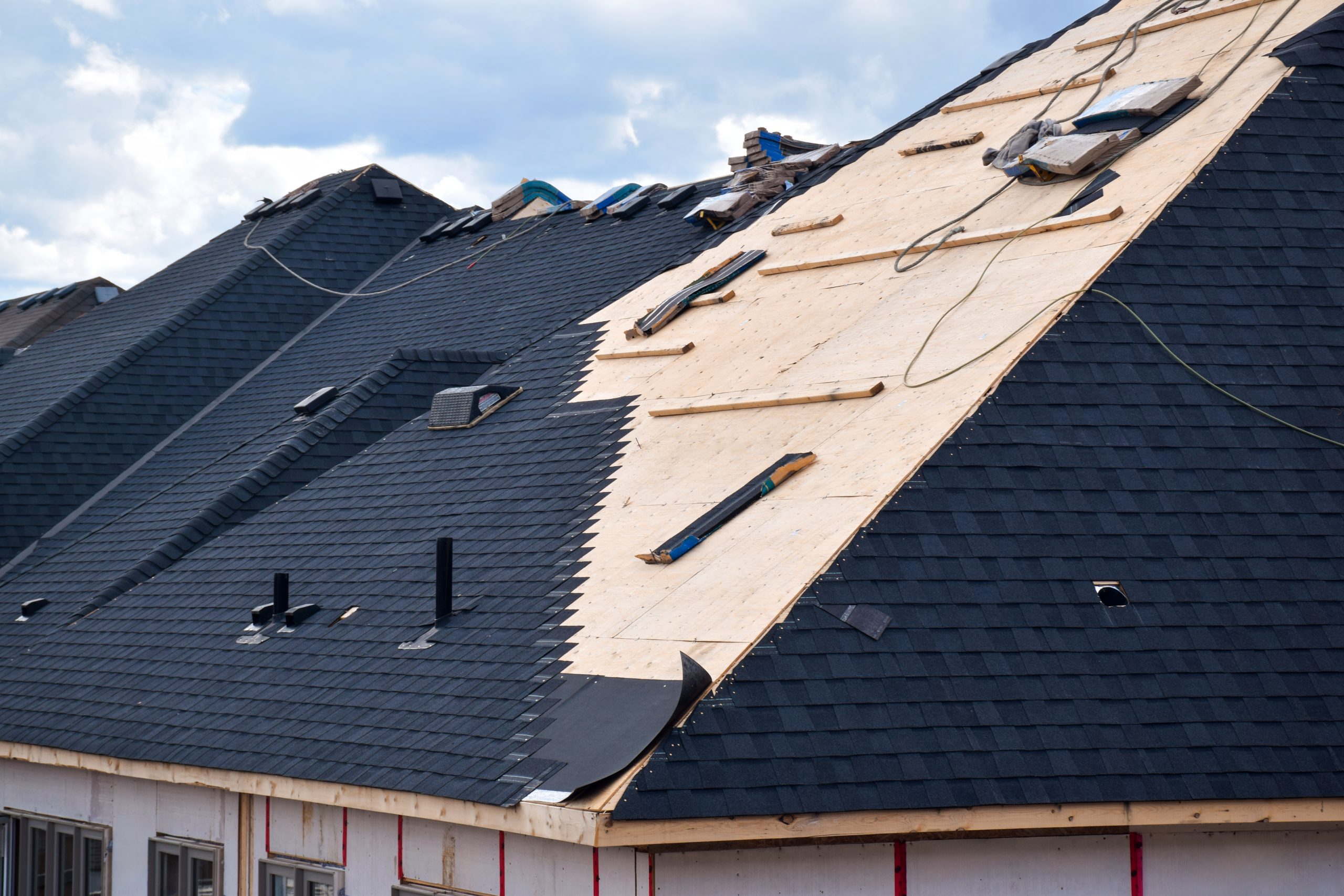
Quick answer
For lifted shingle repair, the central question is whether the visible shingle defect is isolated or a symptom of fastening, underlayment, flashing, aging, or wind damage elsewhere on the roof.
The safest next step is a documented inspection and itemized scope—not roof climbing or a blind surface patch.
Why this issue deserves a complete diagnosis
The phrase lifted shingle repair can describe several different conditions. Two homes with a similar visible symptom may require different work because the roof type, age, pitch, drainage pattern, surrounding materials, and history of previous repairs are different.
This page supports the broader Roof Repair New Jersey resource and is designed to help homeowners ask better questions before approving work.
Symptoms that justify an inspection
- A shingle tab that is missing, cracked, lifted, or sliding
- Exposed fasteners or dark openings at the repair area
- Granule loss concentrated around one damaged section
- Water marks near a valley, ridge, edge, or penetration
- A repair that repeatedly loosens after wind or temperature changes
One symptom does not prove one cause. Patterns, timing, weather, and connected components should be considered together.
Why this problem develops
North Jersey temperature swings can open marginal seams, loosen brittle materials, and turn small drainage problems into freeze-thaw damage. The repair should account for seasonal movement instead of relying only on rigid surface sealant.
- A nearby flashing or underlayment failure that looks like a shingle problem
- Wind uplift or fastening outside the intended nail zone
- Brittle shingles that crack during movement or repair
- Improperly sealed tabs, exposed nails, or reused damaged shingles
- Traffic, branches, animals, or equipment impact
The diagnostic process behind a durable repair
Photographs are especially important before and during access. They help show whether concealed wood is sound, whether flashing overlaps are correct, and whether the finished assembly restores a continuous water-shedding or drainage path.
- Step 1: Inspect fastener placement, seal strips, and shingle flexibility
- Step 2: Look beneath accessible edges for underlayment or deck damage
- Step 3: Review nearby valleys, ridges, walls, vents, and roof edges
- Step 4: Confirm whether a color and profile match is practical
- Step 5: Check the surrounding field for matching damage and aging
Condition, cause, and next-step table
| Observed condition | What it may indicate | Professional next step |
|---|---|---|
| Granule loss concentrated around one damaged section | Brittle shingles that crack during movement or repair | Replace affected shingles and restore correct fastening |
| Water marks near a valley, ridge, edge, or penetration | Improperly sealed tabs, exposed nails, or reused damaged shingles | Seal only where the roofing system requires approved sealant |
| A repair that repeatedly loosens after wind or temperature changes | Traffic, branches, animals, or equipment impact | Repair underlayment, flashing, or decking uncovered during removal |
| A shingle tab that is missing, cracked, lifted, or sliding | A nearby flashing or underlayment failure that looks like a shingle problem | Escalate to a larger section when brittle materials cannot be repaired reliably |
How the affected system can be restored
Temporary protection and permanent work should be named separately. Tarping, sealant, or emergency stabilization can reduce immediate exposure, but it should not be presented as the final repair unless the system is actually rebuilt to a durable standard.
- Seal only where the roofing system requires approved sealant
- Repair underlayment, flashing, or decking uncovered during removal
- Escalate to a larger section when brittle materials cannot be repaired reliably
- Remove damaged shingles without breaking surrounding tabs
- Replace affected shingles and restore correct fastening
What the written scope should identify
- Confirmed cause and repair boundary
- Materials and components to be removed or reused
- Known exclusions and concealed-condition process
- Temporary protection versus permanent work
- Cleanup, photographs, warranty, and final walkthrough
Records to keep
- Dated inspection photographs
- Itemized estimate and signed contract
- Product and color selections
- Written change orders with supporting photos
- Invoice, warranty, permit, and completion records
When a targeted repair is enough
Monitoring can be appropriate for stable, non-leaking cosmetic conditions, but it should include photographs and a specific review trigger. Active leaks, loose materials, structural movement, and drainage that threatens the building should not be left to observation alone.
For a broader decision framework, compare Roof Repair New Jersey with Roof Replacement New Jersey and use the actual condition of the property to choose the scope.
What affects the repair cost
A meaningful price cannot be reduced to one universal number. Height, pitch, system type, matching, safety setup, weather protection, and connected damage all matter. Comparing itemized scope protects the homeowner better than comparing totals alone.
- Emergency scheduling, setup, and weather protection
- Number of shingles and roof sections involved
- Roof pitch, height, access, and brittleness of surrounding shingles
- Matching material availability and minimum purchase quantities
- Underlayment, flashing, or decking repairs discovered beneath the surface
Mistakes that can shorten repair life
- Using face nails or excessive cement where shingles must move
- Ignoring widespread wind creasing around one missing shingle
- Attempting roof work from a ladder without proper fall protection
- Sliding a new shingle over damaged material without proper fastening
- Leaving exposed nail heads as a permanent detail
Why local roof and drainage conditions matter
Local roofing and drainage problems are often connected. A roof-edge leak can damage fascia, a blocked downspout can create overflow, and poor attic conditions can mimic an exterior leak. The inspection should consider those connections rather than treating each symptom in isolation.
Municipal permit or inspection requirements can vary with the location and scope. The contract should state who verifies applicable requirements and how concealed conditions or scope changes will be documented.
What to expect from Terra Nova
- Step 1: Discuss the symptom, history, and urgency
- Step 2: Inspect and document the connected system
- Step 3: Explain repair, replacement, and monitoring options
- Step 4: Provide a written scope with clear assumptions
- Step 5: Complete the work, cleanup, photographs, and walkthrough
Original Terra Nova services and resources
- Roof Repair New Jersey
- Roof Leak Repair New Jersey
- Roof Inspection in North Jersey
- Roof Replacement New Jersey
- How to Identify Roof Storm Damage
- New Roof Cost in New Jersey
Related new resources in these production batches
Related roof-leak and roof-replacement resources
Frequently asked questions
Can this problem be repaired without replacing the whole roof?
Often, when the defect is isolated and surrounding roofing remains flexible, dry, correctly installed, and serviceable. A complete inspection is needed before promising a limited repair.
What should be inspected for lifted shingle repair?
The contractor should inspect the visible defect, connected roof components, interior evidence, underlayment or decking where accessible, and the path water or wind could have taken.
Is this roof condition an emergency?
Active water entry, an open roof, falling material, structural movement, or electrical exposure requires prompt attention. Stable cosmetic issues may allow scheduled service.
What affects the cost of the repair?
Roof height, pitch, access, material matching, repair size, flashing, decking, emergency scheduling, and concealed moisture can change the final scope.
How long should a professional repair take?
Many isolated repairs can be completed in one visit, but diagnostic work, specialty materials, weather, structural damage, or coordinated trades can extend the schedule.
Will insurance or a roof warranty cover the repair?
Coverage depends on cause, policy or warranty terms, maintenance, age, installation records, and exclusions. The contractor documents conditions; the insurer or warrantor decides coverage.
Last reviewed by Terra Nova Construction & Roofing: July 15, 2026. This page provides general educational information. Property conditions, policy coverage, warranty terms, municipal requirements, and project scope vary.
Get a professional evaluation
Send the property address, known age, photographs, and a short description of the concern. Terra Nova can inspect the connected roof or drainage components and prepare a written North Jersey scope.