
Roof Replacement for Recurring Leaks
Recurring leaks do not automatically require a new roof, but repeated failures in different locations, brittle materials, extensive flashing defects, or widespread deck damage can make continued patching less reliable and more expensive than replacement.
A durable answer to roof replacement for recurring leaks depends on the complete roof system—not a single visible symptom. Shingles or membrane, decking, underlayment, flashing, ventilation, drainage, and access all influence the recommendation.
Water can travel before appearing indoors, and an unsuccessful repair may have targeted the stain instead of the entry point. A replacement decision should follow a systematic inspection of roof surface, transitions, attic evidence, drainage, ventilation, and prior repair history.
Quick answer
Recurring leaks do not automatically require a new roof, but repeated failures in different locations, brittle materials, extensive flashing defects, or widespread deck damage can make continued patching less reliable and more expensive than replacement.
What homeowners should understand
Visible damage is only the starting point. A reliable plan checks the deck, framing, underlayment, flashing, drainage, and attic evidence so the new surface does not conceal an unresolved cause.
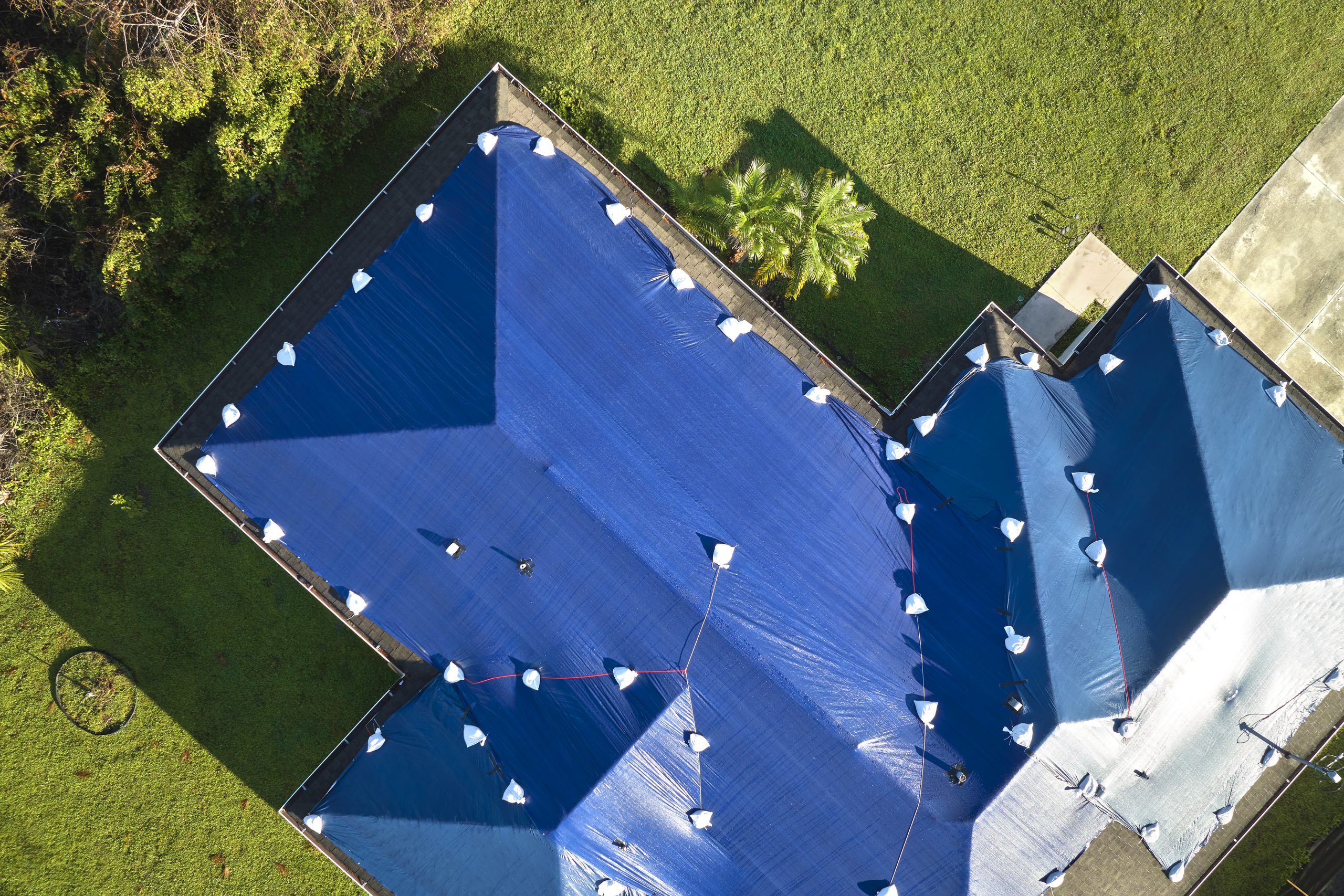
Safety and temporary protection come first when active damage threatens the home. Permanent replacement should begin after the cause, extent, and responsible scopes are documented.
Key factors that change the recommendation
- Number, location, and weather pattern of leaks
- Roof age, brittleness, granule loss, and prior patches
- Condition of flashing, valleys, penetrations, and low slopes
- Decking moisture and attic staining
- Cumulative repair cost versus remaining roof life
These factors should appear in the inspection notes, estimate, contract, or project photographs when they affect the scope. A clear record makes it easier to compare options and prevents important details from disappearing after tear-off begins.
Decision table: Roof Replacement for Recurring Leaks
| Condition to evaluate | Risk if ignored | Practical next step |
|---|---|---|
| Number, location, and weather pattern of leaks | Painting ceiling stains before diagnosis | Map every interior symptom and previous repair |
| Roof age, brittleness, granule loss, and prior patches | Applying sealant repeatedly without opening failed details | Inspect roof and attic during or after relevant weather |
| Condition of flashing, valleys, penetrations, and low slopes | Assuming every leak comes from directly above | Test likely entry paths when appropriate |
| Decking moisture and attic staining | Replacing the roof without checking siding, masonry, plumbing, or condensation sources | Separate localized defects from system-wide aging |
| Cumulative repair cost versus remaining roof life | Painting ceiling stains before diagnosis | Compare a defined repair scope with full replacement |
How Terra Nova evaluates the damage
- Step 1: Map every interior symptom and previous repair
- Step 2: Inspect roof and attic during or after relevant weather
- Step 3: Test likely entry paths when appropriate
- Step 4: Separate localized defects from system-wide aging
- Step 5: Compare a defined repair scope with full replacement
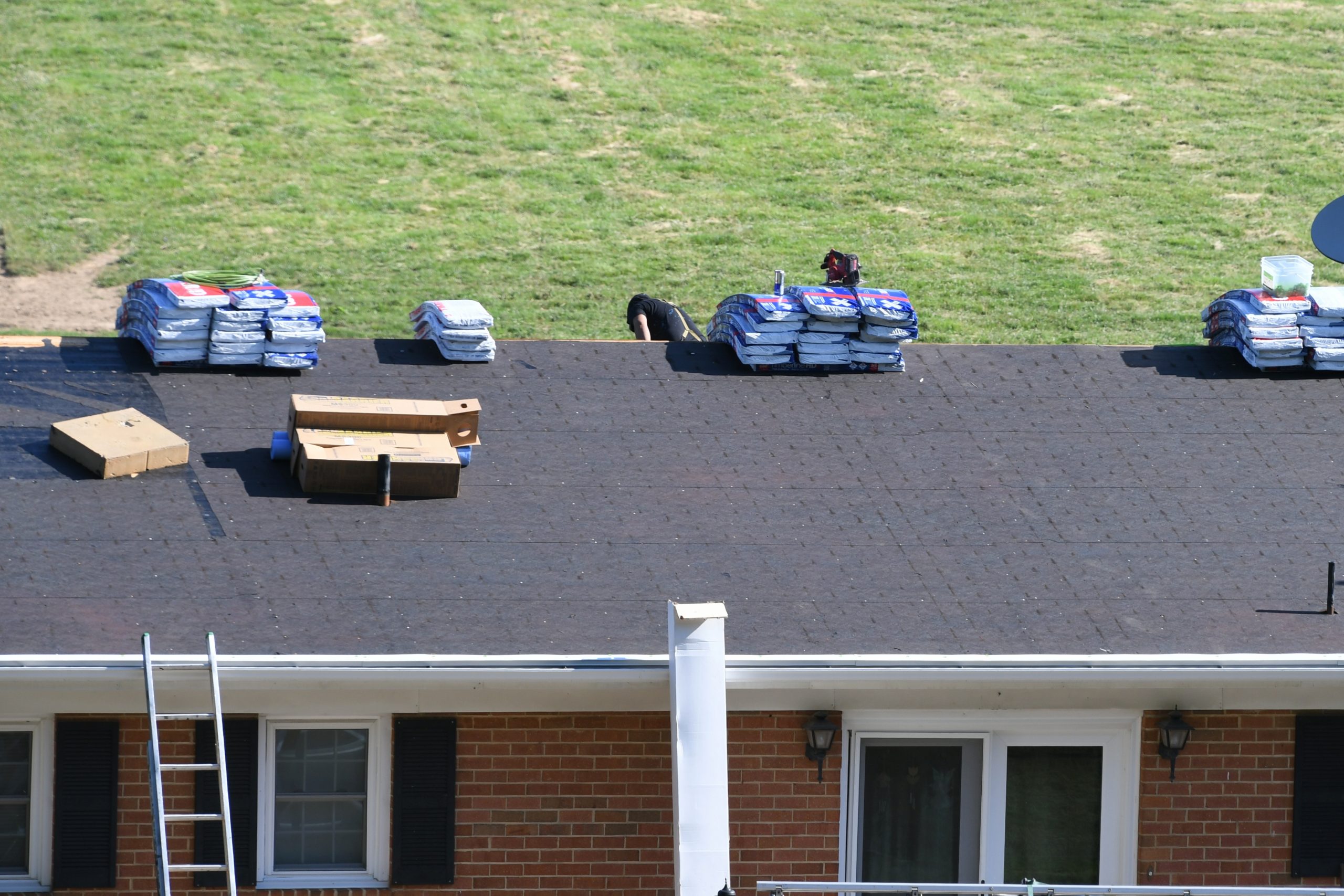
Replacement should eliminate known weak assemblies, not simply cover them. The scope must address decking, flashing, low-slope transitions, penetrations, and ventilation that contributed to repeated leaks.
What Terra Nova checks
- Number, location, and weather pattern of leaks
- Roof age, brittleness, granule loss, and prior patches
- Condition of flashing, valleys, penetrations, and low slopes
- Decking, underlayment, flashing, ventilation, and drainage connections
- Access, weather protection, cleanup, and documentation requirements
Records homeowners should keep
- Inspection photographs and measurements
- Itemized estimate and signed contract
- Material selections and product documents
- Approved change orders and hidden-condition photographs
- Final invoice, warranties, permits, and completion records
Cost, contract, and scope considerations
Emergency protection, diagnostic work, structural repair, permanent roofing, and interior restoration may be separate scopes. Accurate separation makes budgeting and insurance documentation clearer.
For broader pricing context, review How Much Does a New Roof Cost in New Jersey?, then use a site-specific inspection to determine the actual roof area, pitch, layers, access, material system, flashing, ventilation, decking allowances, and disposal requirements for your property.
Common mistakes homeowners should avoid
- Painting ceiling stains before diagnosis
- Applying sealant repeatedly without opening failed details
- Assuming every leak comes from directly above
- Replacing the roof without checking siding, masonry, plumbing, or condensation sources
North Jersey roofing considerations
Homes across Bergen, Passaic, Essex, Hudson, Morris, and Union counties vary from tightly spaced urban properties to steep suburban roofs and historic construction. Access, parking, neighbor protection, municipal requirements, and drainage can materially affect the work plan.
Municipal permit or inspection requirements can vary by location and scope. The contract should state who verifies and handles applicable requirements before work starts.
Related Terra Nova roofing services and original resources
- Roof Replacement New Jersey
- Roofing Contractor New Jersey
- Roof Leak Repair New Jersey
- Roof Repair New Jersey
- Roof Inspection in North Jersey
- Signs You Need a New Roof
Related roof replacement resources
Related roof leak resources
Frequently asked questions
How many repairs are too many?
There is no fixed number. Consider roof age, failure pattern, repair reliability, brittleness, and cumulative cost.
Can a new roof still leak?
Yes, if flashing, masonry, siding, skylights, or installation details fail. A complete scope reduces that risk.
Why does a leak return only in wind-driven rain?
Wind can push water into sidewalls, lifted shingles, flashings, and vents that do not leak during straight rainfall.
Should the attic be inspected?
Yes. Attic evidence can reveal water paths, condensation, rot, and multiple leak areas.
Can only the leaking roof plane be replaced?
Sometimes, if it is a separate section and the rest of the roof is sound. The tie-in and remaining life matter.
Will replacement fix ceiling damage?
Roof replacement stops exterior entry when correctly diagnosed, but interior drying and repair are separate work.
Last reviewed by Terra Nova Construction & Roofing: July 15, 2026. This page provides general educational information; property conditions, contracts, financing, insurance coverage, warranty terms, and municipal requirements vary.
Get a roof replacement evaluation
Send your address, the roof concern, known age, and photographs if available. Terra Nova can inspect the relevant roof sections, explain the options, and prepare a written scope for your North Jersey property.