
Roof Replacement Insurance Claim Process in New Jersey
A roof insurance claim should begin with safety, temporary protection, and accurate documentation—not a promise that the carrier will buy a roof. Coverage depends on the policy, cause of loss, timing, condition, exclusions, deductible, and the insurer’s inspection and adjustment.
The search for roof replacement insurance claim process New Jersey often begins after an inspection, leak, storm, sale, or budget concern. The best next step is a scope that separates confirmed conditions, likely unknowns, required work, and optional upgrades.
After wind, hail, falling debris, fire, or another sudden event, homeowners may need to coordinate emergency mitigation, a roofing inspection, an insurer inspection, estimates, supplements, mortgage-company requirements, and final documentation. The roofing contractor can document visible damage and explain repair scope, while the insurer determines coverage under the policy.
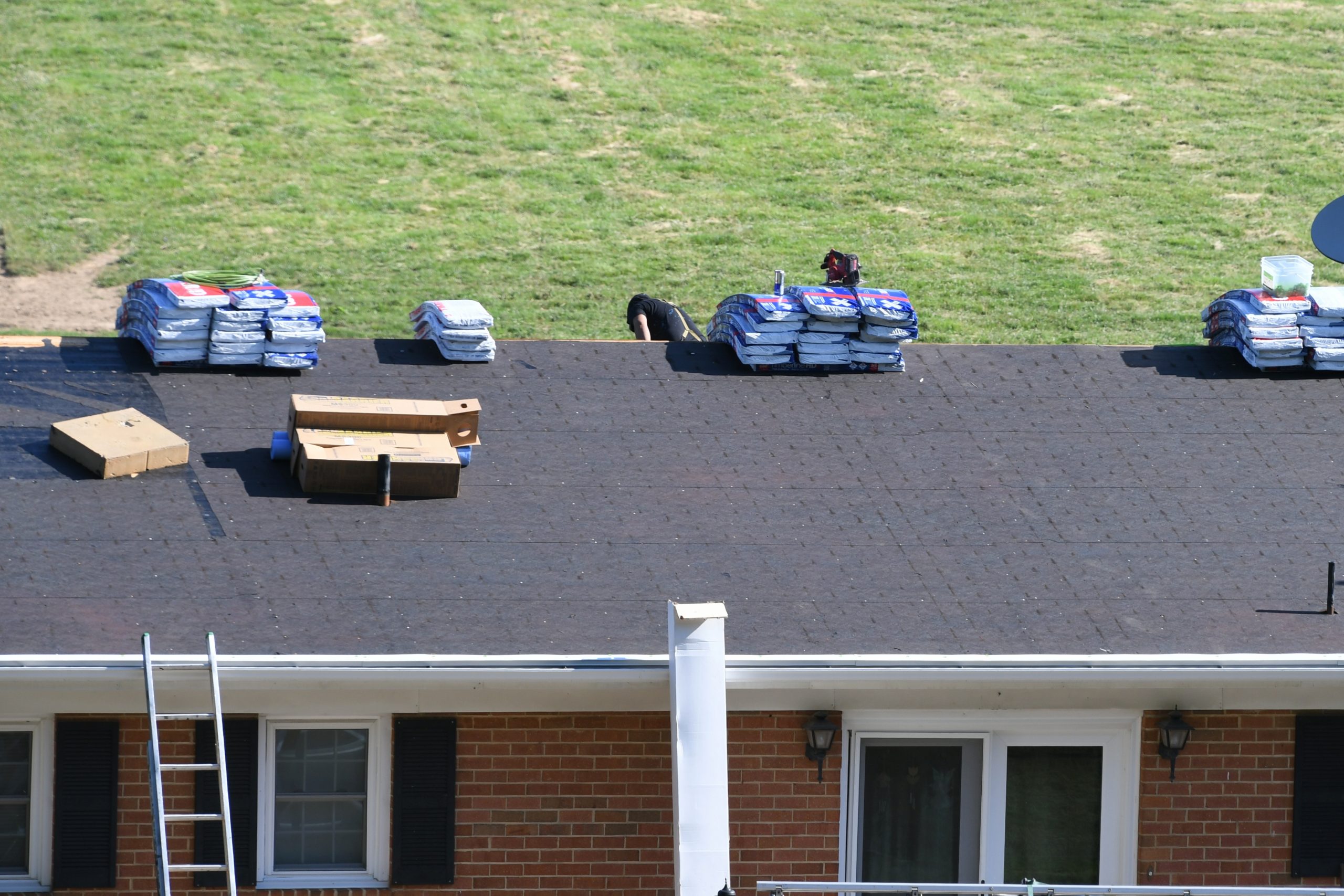
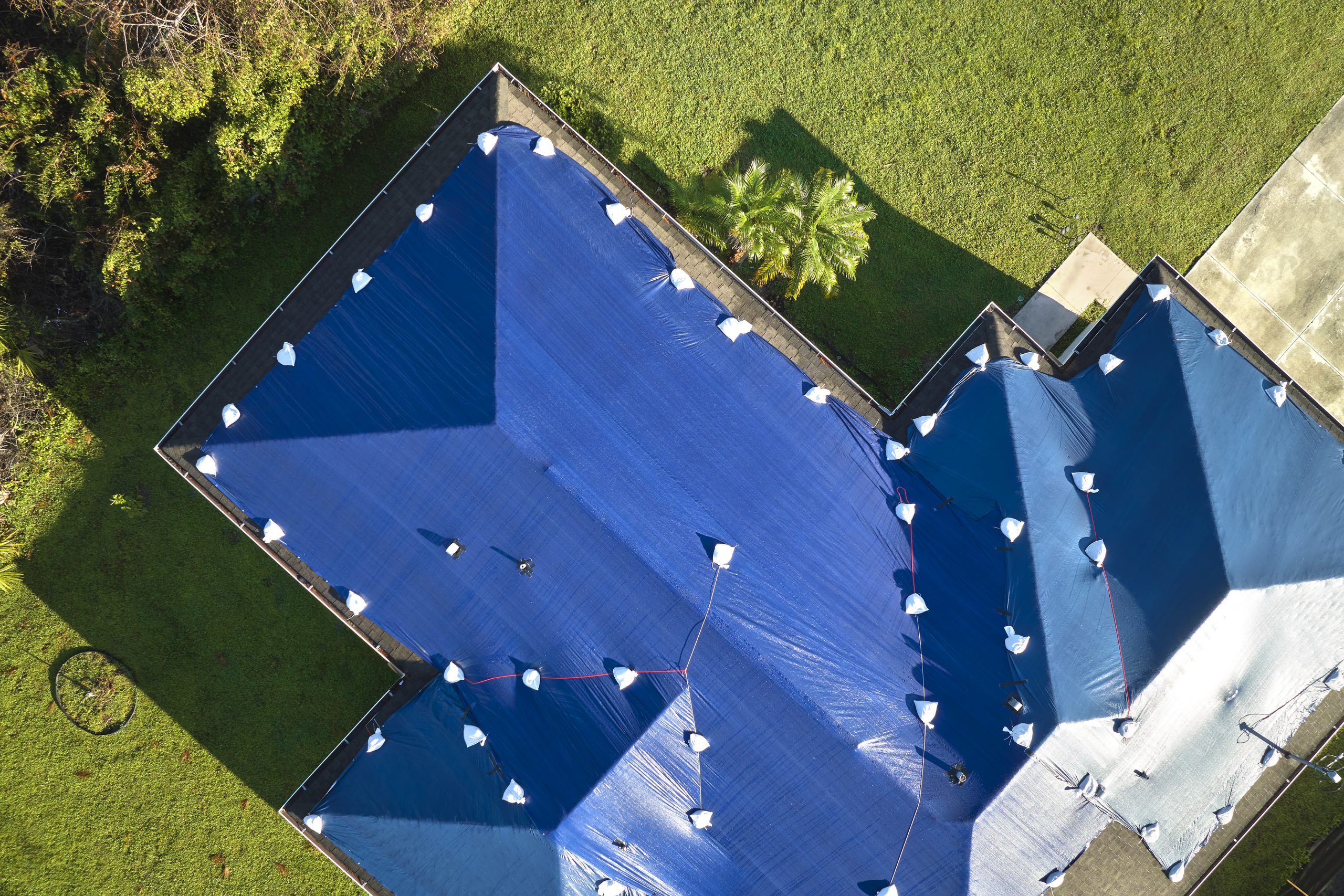
Quick answer
A roof insurance claim should begin with safety, temporary protection, and accurate documentation—not a promise that the carrier will buy a roof. Coverage depends on the policy, cause of loss, timing, condition, exclusions, deductible, and the insurer’s inspection and adjustment.
What homeowners should understand
Claim paperwork is easier to manage when photographs, estimates, invoices, and carrier correspondence use consistent dates and descriptions. A complete file also helps if questions arise after completion.
The contractor documents physical conditions and restoration requirements; the insurer interprets policy coverage. Keeping those roles separate helps the homeowner evaluate both the roof and the claim accurately.
Key factors that change the recommendation
- Date and cause of the reported loss
- Photographs before temporary repairs when safe
- Policy deductible, exclusions, and settlement basis
- Carrier estimate compared with actual restoration scope
- Mortgage-company endorsement or inspection requirements
These factors should appear in the inspection notes, estimate, contract, or project photographs when they affect the scope. A clear record makes it easier to compare options and prevents important details from disappearing after tear-off begins.
Decision table: Roof Replacement Insurance Claim Process in New Jersey
| Decision point | Why it matters | What to verify |
|---|---|---|
| Date and cause of the reported loss | It changes total cost, timing, documentation, or homeowner responsibility. | Protect the interior and prevent additional damage |
| Photographs before temporary repairs when safe | It changes total cost, timing, documentation, or homeowner responsibility. | Photograph affected roof, attic, ceilings, and exterior areas |
| Policy deductible, exclusions, and settlement basis | It changes total cost, timing, documentation, or homeowner responsibility. | Notify the insurer and record the claim number |
| Carrier estimate compared with actual restoration scope | It changes total cost, timing, documentation, or homeowner responsibility. | Arrange a qualified roof inspection and written scope |
| Mortgage-company endorsement or inspection requirements | It changes total cost, timing, documentation, or homeowner responsibility. | Keep invoices, change orders, permits, and completion photographs |
How to organize the claim and roofing scope
- Step 1: Protect the interior and prevent additional damage
- Step 2: Photograph affected roof, attic, ceilings, and exterior areas
- Step 3: Notify the insurer and record the claim number
- Step 4: Arrange a qualified roof inspection and written scope
- Step 5: Keep invoices, change orders, permits, and completion photographs
A claim can support replacement when a covered loss causes damage that cannot be repaired reasonably, but it is not a substitute for maintenance. Homeowners should request written explanations for coverage decisions and preserve a complete project file.
What Terra Nova checks
- Date and cause of the reported loss
- Photographs before temporary repairs when safe
- Policy deductible, exclusions, and settlement basis
- Decking, underlayment, flashing, ventilation, and drainage connections
- Access, weather protection, cleanup, and documentation requirements
Records homeowners should keep
- Inspection photographs and measurements
- Itemized estimate and signed contract
- Material selections and product documents
- Approved change orders and hidden-condition photographs
- Final invoice, warranties, permits, and completion records
Cost, contract, and scope considerations
Claim funds, deductibles, depreciation, and homeowner upgrades should be tracked separately. Terra Nova documents roof conditions and completed work; the insurer determines policy coverage and settlement.
For broader pricing context, review How Much Does a New Roof Cost in New Jersey?, then use a site-specific inspection to determine the actual roof area, pitch, layers, access, material system, flashing, ventilation, decking allowances, and disposal requirements for your property.
Common mistakes homeowners should avoid
- Signing an assignment or contract without understanding it
- Assuming normal wear will be covered as storm damage
- Discarding damaged materials before documentation
- Beginning non-emergency upgrades before coverage questions are resolved
North Jersey roofing considerations
North Jersey roofs experience wind-driven rain, snow, ice, summer heat, freeze-thaw cycles, and rapid weather changes. Older housing stock also means contractors frequently encounter plank decks, multiple additions, masonry chimneys, short low-slope roofs, and layers installed in different decades.
A North Jersey estimate should state how access, stories, pitch, roof sections, existing layers, disposal, protection, and hidden wood will be handled. Those details often matter more than a generic statewide average.
Related Terra Nova roofing services and original resources
- Roof Replacement New Jersey
- Roofing Contractor New Jersey
- Does Homeowners Insurance Cover Roof Replacement?
- How to Identify Roof Storm Damage
- Roof Leak Repair New Jersey
- Roof Inspection in North Jersey
- Roof Repair New Jersey
Related roof replacement resources
Related roof leak resources
Frequently asked questions
Should I call a roofer or the insurance company first?
Address safety and active water entry first. You can notify the insurer promptly and arrange a qualified inspection so the condition is documented from both perspectives.
Can Terra Nova meet the insurance adjuster?
Scheduling availability varies, but the contractor can provide photographs, measurements, and a written roofing scope for the homeowner and carrier.
Does filing a claim guarantee roof replacement?
No. Coverage and settlement are determined by the policy and insurer. A roofing inspection documents condition; it does not guarantee a claim outcome.
What is a roof supplement?
A supplement is a request to review documented work or costs that may not have been included in the initial carrier estimate. The insurer decides whether it is covered.
Can emergency tarping be included in a claim?
Policies often address reasonable mitigation differently from permanent work. Save photographs and invoices and ask the carrier how to submit them.
What documents should I keep?
Keep the policy correspondence, claim number, estimates, photographs, material selections, permits, invoices, change orders, and completion records.
Last reviewed by Terra Nova Construction & Roofing: July 15, 2026. This page provides general educational information; property conditions, contracts, financing, insurance coverage, warranty terms, and municipal requirements vary.
Get a roof replacement evaluation
Send your address, the roof concern, known age, and photographs if available. Terra Nova can inspect the relevant roof sections, explain the options, and prepare a written scope for your North Jersey property.