
Roof Replacement Workmanship Red Flags
Warning signs after roof replacement include exposed fasteners in improper locations, lifted or uneven shingles, poorly integrated flashing, blocked drainage, incomplete edge metal, damaged siding, reused brittle accessories, debris left in gutters, and leaks that are dismissed without investigation.
A durable answer to roof replacement workmanship red flags depends on the complete roof system—not a single visible symptom. Shingles or membrane, decking, underlayment, flashing, ventilation, drainage, and access all influence the recommendation.
Not every visual irregularity means the roof will fail. Shingle color shading, minor waviness during warm-up, and visible sealant in a designed detail can have legitimate explanations. The right approach is to compare the installation with the contract, product instructions, photographs, and water-shedding principles rather than relying on appearance alone.
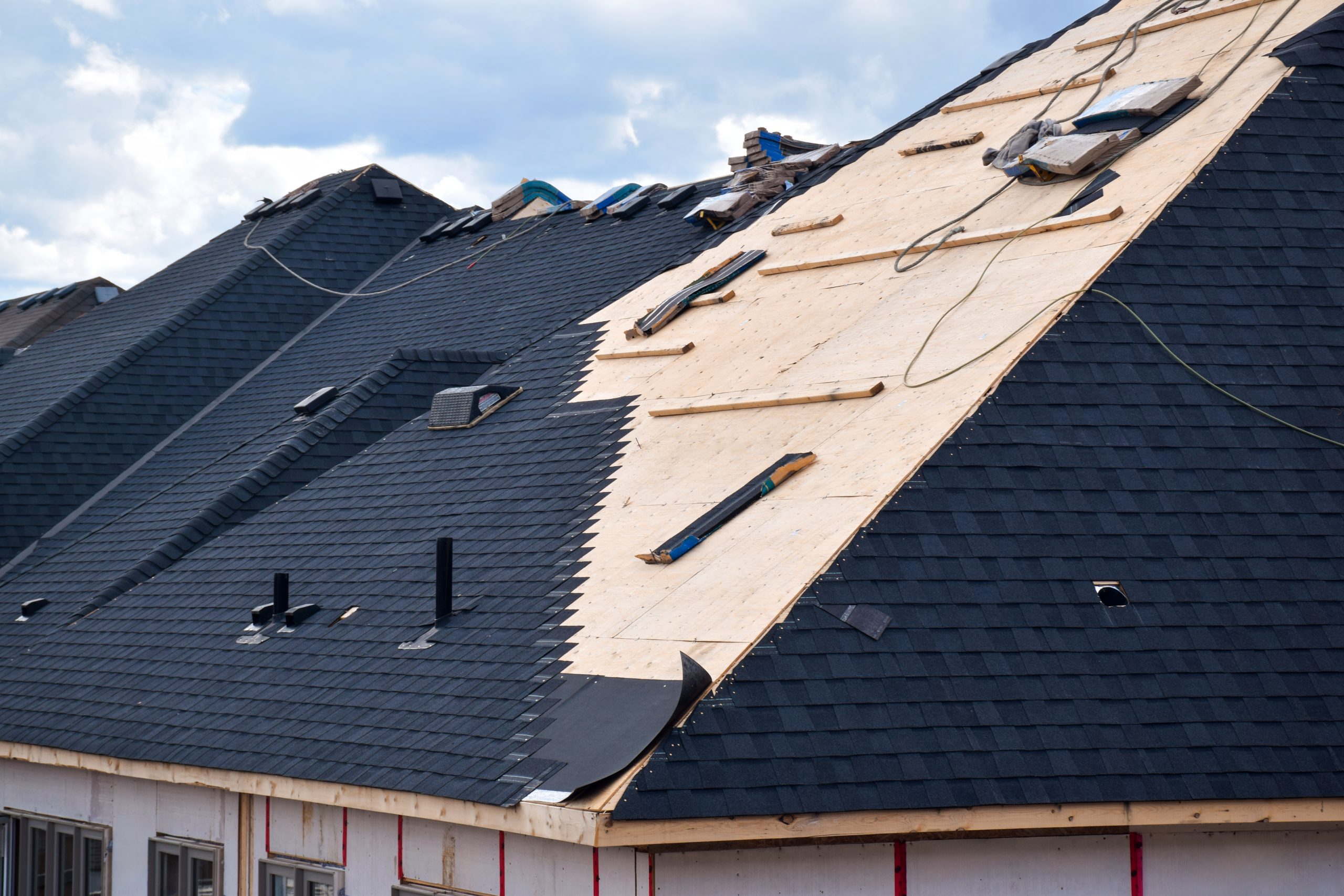
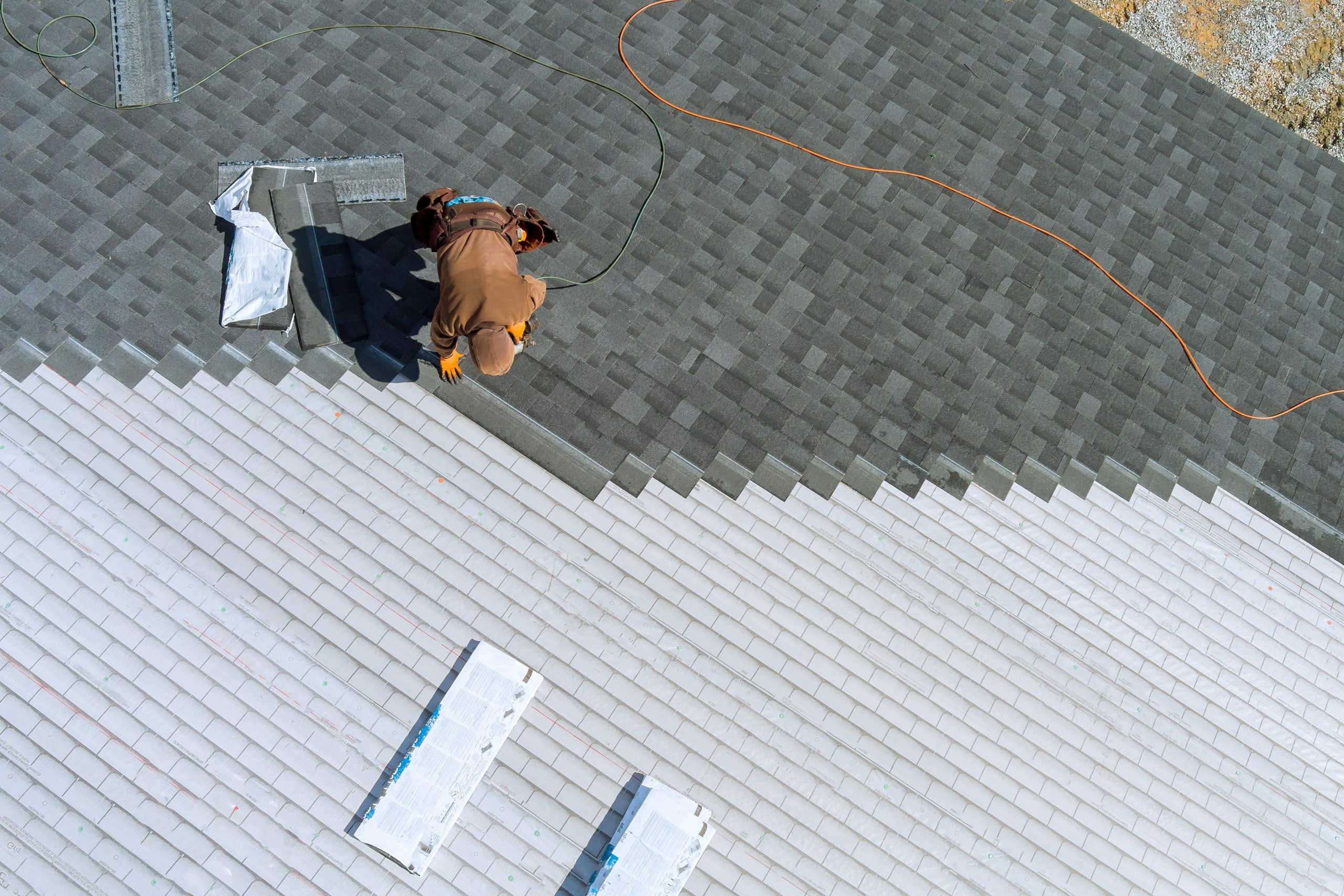
Quick answer
Warning signs after roof replacement include exposed fasteners in improper locations, lifted or uneven shingles, poorly integrated flashing, blocked drainage, incomplete edge metal, damaged siding, reused brittle accessories, debris left in gutters, and leaks that are dismissed without investigation.
What homeowners should understand
A professional response to a concern includes inspection, explanation, and correction when needed. Repeated surface patches without diagnosis are a warning sign.
Quality control should compare visible details, concealed progress photographs, and the written scope. A neat appearance is valuable, but water-shedding sequence and fastening are what make the system perform.
Key factors that change the recommendation
- Shingle alignment, fastening, and exposed nail placement
- Flashing at walls, chimneys, skylights, valleys, and pipes
- Drip edge, starter, ridge cap, and roof-edge transitions
- Ventilation openings and unobstructed intake paths
- Cleanup, property damage, and documented hidden-condition work
These factors should appear in the inspection notes, estimate, contract, or project photographs when they affect the scope. A clear record makes it easier to compare options and prevents important details from disappearing after tear-off begins.
Decision table: Roof Replacement Workmanship Red Flags
| Project checkpoint | Why it deserves attention | Homeowner action |
|---|---|---|
| Shingle alignment, fastening, and exposed nail placement | This detail can affect schedule, safety, finished quality, or project cost. | Photograph concerns from safe locations |
| Flashing at walls, chimneys, skylights, valleys, and pipes | This detail can affect schedule, safety, finished quality, or project cost. | Review the contract and manufacturer installation requirements |
| Drip edge, starter, ridge cap, and roof-edge transitions | This detail can affect schedule, safety, finished quality, or project cost. | Ask the project supervisor for a written explanation |
| Ventilation openings and unobstructed intake paths | This detail can affect schedule, safety, finished quality, or project cost. | Create a dated punch list and repair schedule |
| Cleanup, property damage, and documented hidden-condition work | This detail can affect schedule, safety, finished quality, or project cost. | Use an independent qualified inspection when concerns remain unresolved |
How to review workmanship objectively
- Step 1: Photograph concerns from safe locations
- Step 2: Review the contract and manufacturer installation requirements
- Step 3: Ask the project supervisor for a written explanation
- Step 4: Create a dated punch list and repair schedule
- Step 5: Use an independent qualified inspection when concerns remain unresolved
Good workmanship is visible in consistent details and project documentation. A professional contractor should be willing to review reasonable concerns, explain the installed method, and correct verified deficiencies.
What Terra Nova checks
- Shingle alignment, fastening, and exposed nail placement
- Flashing at walls, chimneys, skylights, valleys, and pipes
- Drip edge, starter, ridge cap, and roof-edge transitions
- Decking, underlayment, flashing, ventilation, and drainage connections
- Access, weather protection, cleanup, and documentation requirements
Records homeowners should keep
- Inspection photographs and measurements
- Itemized estimate and signed contract
- Material selections and product documents
- Approved change orders and hidden-condition photographs
- Final invoice, warranties, permits, and completion records
Cost, contract, and scope considerations
Quality concerns should be written, photographed, and compared with the contract and installation requirements. Corrective work should address the assembly rather than conceal the symptom.
For broader pricing context, review How Much Does a New Roof Cost in New Jersey?, then use a site-specific inspection to determine the actual roof area, pitch, layers, access, material system, flashing, ventilation, decking allowances, and disposal requirements for your property.
Common mistakes homeowners should avoid
- Walking on a new roof without fall protection
- Accepting repeated caulk patches as the only answer to a systemic detail
- Withholding all communication until after warranties or deadlines
- Assuming appearance alone proves a defect without checking the assembly
North Jersey roofing considerations
Homes across Bergen, Passaic, Essex, Hudson, Morris, and Union counties vary from tightly spaced urban properties to steep suburban roofs and historic construction. Access, parking, neighbor protection, municipal requirements, and drainage can materially affect the work plan.
Municipal permit or inspection requirements can vary by location and scope. The contract should state who verifies and handles applicable requirements before work starts.
Related Terra Nova roofing services and original resources
- Roof Replacement New Jersey
- Roofing Contractor New Jersey
- Questions to Ask a Roofing Contractor
- What Does a Roof Replacement Include?
- Roof Inspection in North Jersey
- How to Compare Roofing Quotes
Related roof replacement resources
Related roof leak resources
Frequently asked questions
Are wavy shingles always defective?
Not always. Packaging, temperature, and roof-deck conditions can affect appearance temporarily, but persistent distortion should be evaluated.
Should nails be visible on shingles?
Most field fasteners should be covered by the next course. Certain caps or flashing details may use exposed fasteners that require proper placement and sealing.
Can old flashing be reused?
Some components may be serviceable, but critical flashing should be evaluated carefully. Reuse should match the written scope and condition.
What if the roof leaks after replacement?
Protect the interior, document the conditions, and contact the contractor promptly for diagnosis under the applicable workmanship or material process.
Should gutters contain roofing debris?
Gutters should be checked and cleaned of tear-off debris and excessive loose material during closeout.
When should I seek an independent inspection?
Consider one when there are unresolved leaks, significant scope disputes, safety concerns, or repeated repairs that do not correct the problem.
Last reviewed by Terra Nova Construction & Roofing: July 15, 2026. This page provides general educational information; property conditions, contracts, financing, insurance coverage, warranty terms, and municipal requirements vary.
Get a roof replacement evaluation
Send your address, the roof concern, known age, and photographs if available. Terra Nova can inspect the relevant roof sections, explain the options, and prepare a written scope for your North Jersey property.