
Replacing Rotted Roof Decking During a New Roof
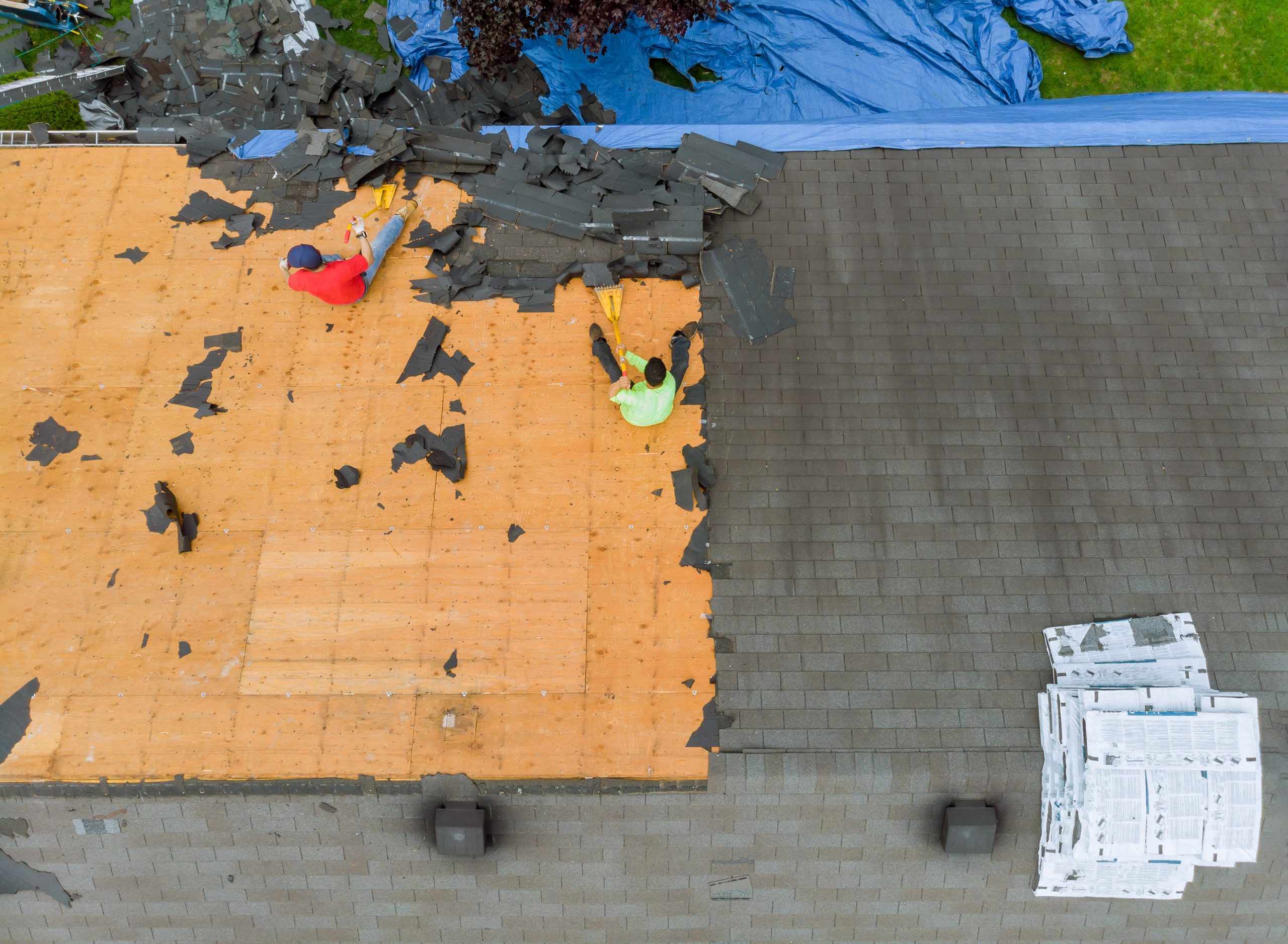
Rotted roof decking should be removed back to sound material and framing, the moisture source corrected, and compatible sheathing installed and fastened before underlayment. Covering soft wood traps a structural and fastening problem beneath the new roof.
Thank you for reading this post, don't forget to subscribe!A durable answer to replace rotted roof decking depends on the complete roof system—not a single visible symptom. Shingles or membrane, decking, underlayment, flashing, ventilation, drainage, and access all influence the recommendation.
Deck rot commonly develops near chronic leaks, eaves, valleys, chimneys, skylights, pipe boots, and poorly ventilated areas. The visible surface may understate the damage. During tear-off, the contractor should document affected panels, inspect framing, and determine whether additional trade work is needed.

Quick answer
Rotted roof decking should be removed back to sound material and framing, the moisture source corrected, and compatible sheathing installed and fastened before underlayment. Covering soft wood traps a structural and fastening problem beneath the new roof.
What homeowners should understand
Roof components work as overlapping layers. The new roof is only as dependable as the weakest transition, so replacement should address accessories and penetrations instead of building around aged failures.
Manufacturer instructions, water flow, substrate condition, and compatibility should guide the detail. A component should not be selected solely because it is familiar or inexpensive.
Key factors that change the recommendation
- Extent and depth of decay
- Condition of rafters, trusses, fascia, and blocking
- Original leak or condensation source
- Panel thickness and framing spacing
- Safe sequencing so the home remains protected
These factors should appear in the inspection notes, estimate, contract, or project photographs when they affect the scope. A clear record makes it easier to compare options and prevents important details from disappearing after tear-off begins.
Decision table: Replacing Rotted Roof Decking During a New Roof
| Roof-system detail | What can go wrong | Replacement objective |
|---|---|---|
| Extent and depth of decay | Nailing new shingles into soft wood | Expose and photograph the damaged area |
| Condition of rafters, trusses, fascia, and blocking | Patching only the darkest visible spot | Remove roofing and compromised sheathing safely |
| Original leak or condensation source | Ignoring the leak source that caused the rot | Inspect and repair framing as authorized |
| Panel thickness and framing spacing | Charging for wood without measured quantities and documentation | Install compatible new decking with proper support |
| Safe sequencing so the home remains protected | Nailing new shingles into soft wood | Apply underlayment and rebuild the water-shedding detail |
How this component fits into the new roof
- Step 1: Expose and photograph the damaged area
- Step 2: Remove roofing and compromised sheathing safely
- Step 3: Inspect and repair framing as authorized
- Step 4: Install compatible new decking with proper support
- Step 5: Apply underlayment and rebuild the water-shedding detail
Some wood replacement is straightforward; widespread decay or structural damage may require engineering, carpentry, or permit coordination beyond standard reroofing. The scope should define responsibility.
What Terra Nova checks
- Extent and depth of decay
- Condition of rafters, trusses, fascia, and blocking
- Original leak or condensation source
- Decking, underlayment, flashing, ventilation, and drainage connections
- Access, weather protection, cleanup, and documentation requirements
Records homeowners should keep
- Inspection photographs and measurements
- Itemized estimate and signed contract
- Material selections and product documents
- Approved change orders and hidden-condition photographs
- Final invoice, warranties, permits, and completion records
Cost, contract, and scope considerations
Component upgrades are easiest to evaluate while the roof is open. The proposal should state whether each item is included, reused, replaced, or handled by another trade.
For broader pricing context, review How Much Does a New Roof Cost in New Jersey?, then use a site-specific inspection to determine the actual roof area, pitch, layers, access, material system, flashing, ventilation, decking allowances, and disposal requirements for your property.
Common mistakes homeowners should avoid
- Nailing new shingles into soft wood
- Patching only the darkest visible spot
- Ignoring the leak source that caused the rot
- Charging for wood without measured quantities and documentation
North Jersey roofing considerations
Homes across Bergen, Passaic, Essex, Hudson, Morris, and Union counties vary from tightly spaced urban properties to steep suburban roofs and historic construction. Access, parking, neighbor protection, municipal requirements, and drainage can materially affect the work plan.
A North Jersey estimate should state how access, stories, pitch, roof sections, existing layers, disposal, protection, and hidden wood will be handled. Those details often matter more than a generic statewide average.
Related Terra Nova roofing services and original resources
- Roof Replacement New Jersey
- Roofing Contractor New Jersey
- Roof Decking Replacement Cost
- Roof Leak Repair New Jersey
- Roof Inspection in North Jersey
- What Does a Roof Replacement Include?
Related roof replacement resources
Related roof leak resources
Frequently asked questions
How can I tell if roof decking is rotten?
Soft spots, sagging, delamination, crumbling wood, attic staining, and fastener failure are common signs, but tear-off may reveal more.
Can rotten decking dry out and remain?
Drying does not restore wood that has lost structural integrity. Condition should be evaluated before covering.
Is decking replacement included in a roof quote?
Often it is an allowance or unit-priced item because the full quantity is hidden until tear-off.
Will insurance cover rotten decking?
Coverage depends on cause, policy, and timing. Long-term deterioration may be treated differently from sudden covered damage.
Can only part of a sheet be replaced?
Repairs need sound support and fastening. The appropriate cut and support depend on framing and panel layout.
What happens if rafters are damaged too?
Structural framing repair should be documented and may require a separate scope or qualified specialist.
Last reviewed by Terra Nova Construction & Roofing: July 15, 2026. This page provides general educational information; property conditions, contracts, financing, insurance coverage, warranty terms, and municipal requirements vary.
Get a roof replacement evaluation
Send your address, the roof concern, known age, and photographs if available. Terra Nova can inspect the relevant roof sections, explain the options, and prepare a written scope for your North Jersey property.