
Roof Decking Inspection During Replacement
Once old roofing is removed, every exposed deck area should be checked for rot, delamination, sagging, inadequate fastening, large gaps, prior patchwork, and suitability for the new roof system. Damaged panels should be documented before replacement.
Thank you for reading this post, don't forget to subscribe!A durable answer to roof decking inspection during replacement depends on the complete roof system—not a single visible symptom. Shingles or membrane, decking, underlayment, flashing, ventilation, drainage, and access all influence the recommendation.
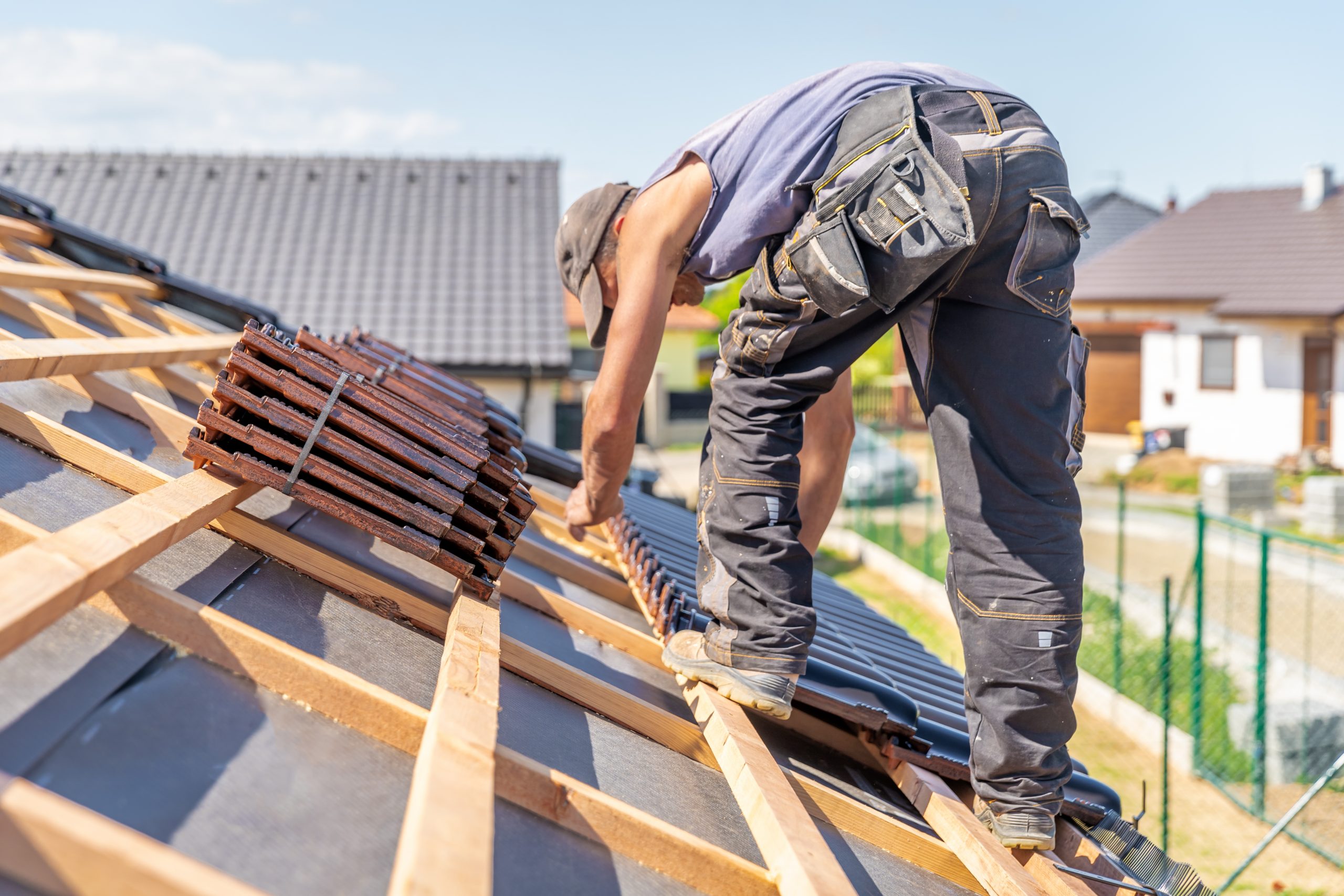
The deck is the structural nailing surface beneath underlayment and roof covering. Even high-quality shingles cannot perform as intended over soft, uneven, wet, or poorly secured sheathing. An inspection during tear-off is the most reliable opportunity to evaluate concealed conditions.

Quick answer
Once old roofing is removed, every exposed deck area should be checked for rot, delamination, sagging, inadequate fastening, large gaps, prior patchwork, and suitability for the new roof system. Damaged panels should be documented before replacement.
What homeowners should understand
Manufacturer instructions, water flow, substrate condition, and compatibility should guide the detail. A component should not be selected solely because it is familiar or inexpensive.
Roof components work as overlapping layers. The new roof is only as dependable as the weakest transition, so replacement should address accessories and penetrations instead of building around aged failures.
Key factors that change the recommendation
- Softness, rot, delamination, and moisture staining
- Panel thickness, span, edge support, and gaps
- Fastener withdrawal or movement
- Sagging between rafters or trusses
- Damage near eaves, valleys, chimneys, skylights, and vents
These factors should appear in the inspection notes, estimate, contract, or project photographs when they affect the scope. A clear record makes it easier to compare options and prevents important details from disappearing after tear-off begins.
Decision table: Roof Decking Inspection During Replacement
| Roof-system detail | What can go wrong | Replacement objective |
|---|---|---|
| Softness, rot, delamination, and moisture staining | Covering soft panels because the surface looks mostly flat | Remove roofing and sweep the deck clean |
| Panel thickness, span, edge support, and gaps | Replacing wood without photographs or quantities | Walk and visually inspect using safe procedures |
| Fastener withdrawal or movement | Using scraps or unsupported patches | Photograph and mark questionable areas |
| Sagging between rafters or trusses | Installing underlayment before inspection is complete | Confirm replacement quantity and written authorization |
| Damage near eaves, valleys, chimneys, skylights, and vents | Covering soft panels because the surface looks mostly flat | Install and fasten compatible sheathing before underlayment |
How this component fits into the new roof
- Step 1: Remove roofing and sweep the deck clean
- Step 2: Walk and visually inspect using safe procedures
- Step 3: Photograph and mark questionable areas
- Step 4: Confirm replacement quantity and written authorization
- Step 5: Install and fasten compatible sheathing before underlayment
The contract should explain how decking is priced and approved. This protects homeowners from surprise charges while allowing necessary structural work to proceed efficiently.
What Terra Nova checks
- Softness, rot, delamination, and moisture staining
- Panel thickness, span, edge support, and gaps
- Fastener withdrawal or movement
- Decking, underlayment, flashing, ventilation, and drainage connections
- Access, weather protection, cleanup, and documentation requirements
Records homeowners should keep
- Inspection photographs and measurements
- Itemized estimate and signed contract
- Material selections and product documents
- Approved change orders and hidden-condition photographs
- Final invoice, warranties, permits, and completion records
Cost, contract, and scope considerations
Component upgrades are easiest to evaluate while the roof is open. The proposal should state whether each item is included, reused, replaced, or handled by another trade.
For broader pricing context, review How Much Does a New Roof Cost in New Jersey?, then use a site-specific inspection to determine the actual roof area, pitch, layers, access, material system, flashing, ventilation, decking allowances, and disposal requirements for your property.
Common mistakes homeowners should avoid
- Covering soft panels because the surface looks mostly flat
- Replacing wood without photographs or quantities
- Using scraps or unsupported patches
- Installing underlayment before inspection is complete
North Jersey roofing considerations
North Jersey roofs experience wind-driven rain, snow, ice, summer heat, freeze-thaw cycles, and rapid weather changes. Older housing stock also means contractors frequently encounter plank decks, multiple additions, masonry chimneys, short low-slope roofs, and layers installed in different decades.
Municipal permit or inspection requirements can vary by location and scope. The contract should state who verifies and handles applicable requirements before work starts.
Related Terra Nova roofing services and original resources
- Roof Replacement New Jersey
- Roofing Contractor New Jersey
- Roof Decking Replacement Cost
- What Does a Roof Replacement Include?
- Roof Inspection in North Jersey
- Roof Underlayment Guide
Related roof replacement resources
Related roof leak resources
Frequently asked questions
Can decking damage be found before tear-off?
Attic inspection and soft areas can reveal some damage, but shingles and underlayment often conceal the full extent.
Does all stained decking need replacement?
Not necessarily. Condition, strength, moisture, delamination, and cause matter more than color alone.
How is decking replacement measured?
Contractors may price by sheet, square foot, or another stated unit. The method should be clear in the contract.
Can new shingles go over plank decking?
It depends on plank spacing, condition, roof-system requirements, and applicable standards. Additional sheathing may be needed.
Should loose decking be re-nailed?
The deck must provide a secure substrate. Fastening corrections may be part of preparation even when panels remain.
Will the homeowner see decking photos?
Request them. Photos help document hidden conditions and completed replacements.
Last reviewed by Terra Nova Construction & Roofing: July 15, 2026. This page provides general educational information; property conditions, contracts, financing, insurance coverage, warranty terms, and municipal requirements vary.
Get a roof replacement evaluation
Send your address, the roof concern, known age, and photographs if available. Terra Nova can inspect the relevant roof sections, explain the options, and prepare a written scope for your North Jersey property.