
Sagging Roof Repair in New Jersey
An inspection for sagging roof repair should distinguish surface damage from wet or weakened decking, trim, and framing so the repair restores both strength and water protection.
Thank you for reading this post, don't forget to subscribe!Homeowners searching for sagging roof repair usually want to know whether the issue is limited, what caused it, how urgent it is, and whether a repair can be completed without creating another weak transition. The answer depends on the complete assembly, not only the most visible symptom.
An inspection for sagging roof repair should distinguish surface damage from wet or weakened decking, trim, and framing so the repair restores both strength and water protection. Any estimate should also state what happens if concealed moisture, rotten wood, incompatible materials, or a larger failure pattern is found after access is opened.
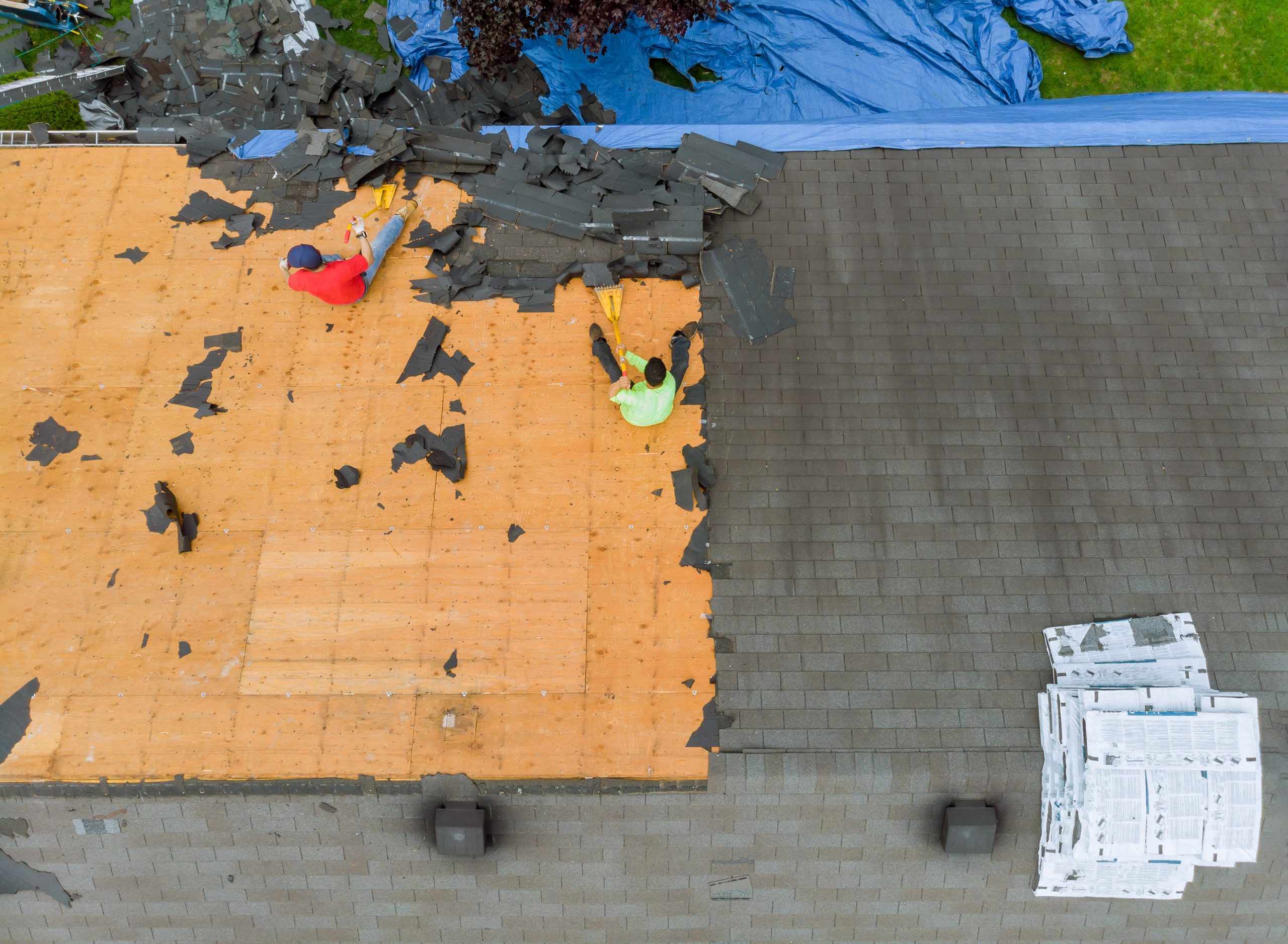
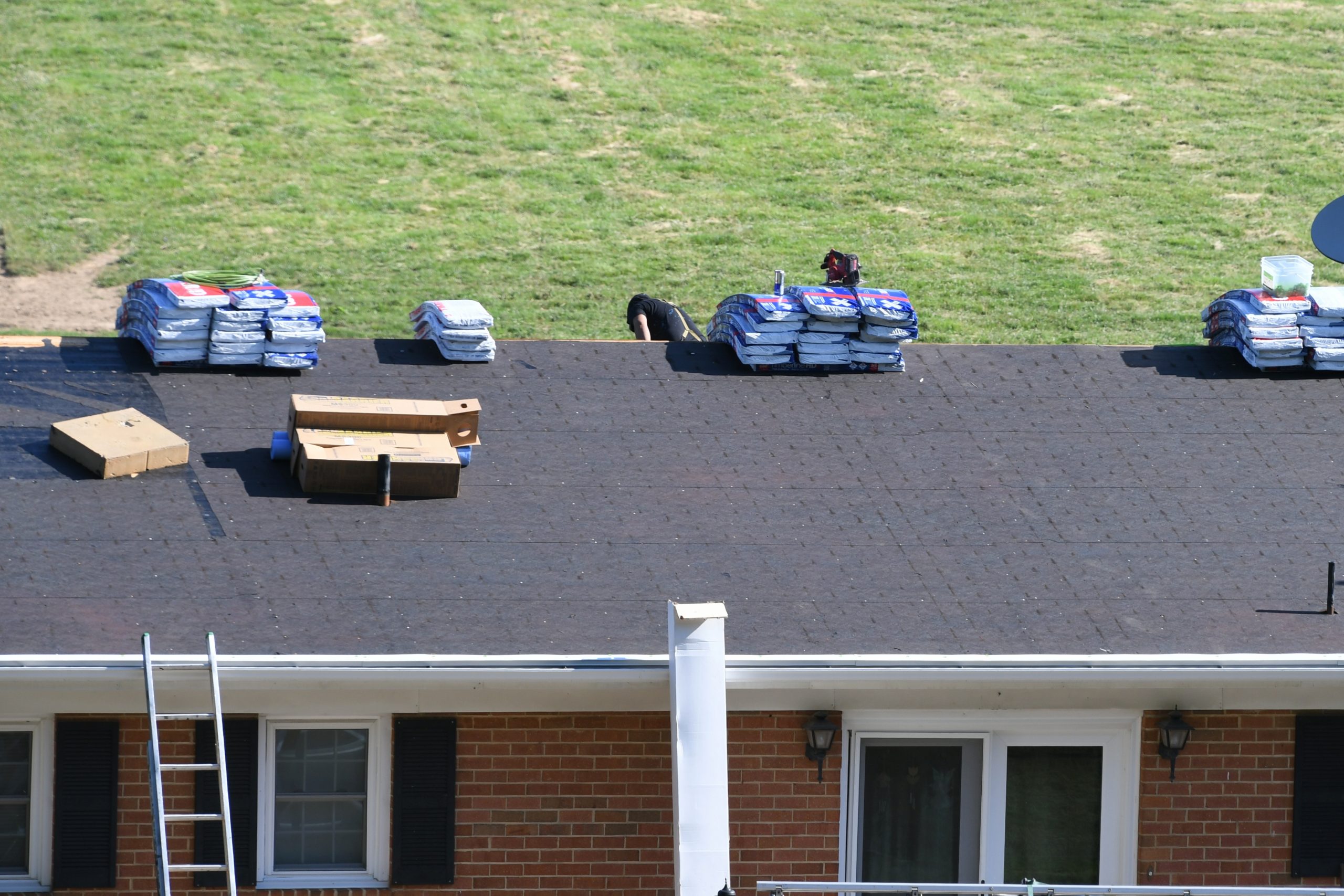
Quick answer
An inspection for sagging roof repair should distinguish surface damage from wet or weakened decking, trim, and framing so the repair restores both strength and water protection.
The safest next step is a documented inspection and itemized scope—not roof climbing or a blind surface patch.
What this condition usually means
The phrase sagging roof repair can describe several different conditions. Two homes with a similar visible symptom may require different work because the roof type, age, pitch, drainage pattern, surrounding materials, and history of previous repairs are different.
This page supports the broader Roof Repair New Jersey resource and is designed to help homeowners ask better questions before approving work.
What homeowners may notice first
- Movement that returns after a cosmetic surface repair
- Soft, sagging, wavy, or visibly deteriorated roof surfaces
- Rotten wood at eaves, rakes, deck edges, or sheathing joints
- Fasteners that no longer hold securely
- Interior moisture staining or damaged insulation below the area
One symptom does not prove one cause. Patterns, timing, weather, and connected components should be considered together.
Common causes and contributing conditions
North Jersey temperature swings can open marginal seams, loosen brittle materials, and turn small drainage problems into freeze-thaw damage. The repair should account for seasonal movement instead of relying only on rigid surface sealant.
- Improper spans, fastening, or past structural alterations
- Pest or animal damage at vulnerable edges
- Repeated wetting that weakens wood fibers and connections
- Long-term leakage from shingles, flashing, gutters, or ice dams
- Inadequate ventilation or trapped condensation
How Terra Nova evaluates the affected system
The inspection should connect every observation to a proposed action. If a contractor recommends replacement, the homeowner should understand why a limited repair is unreliable. If a targeted repair is recommended, the surrounding materials should be capable of supporting it.
- Step 1: Plan temporary support or engineering review when movement is significant
- Step 2: Determine whether the condition involves trim, decking, rafters, or multiple layers
- Step 3: Probe and measure the boundaries of weakened material where safely accessible
- Step 4: Trace the moisture source before replacing wood
- Step 5: Review load, span, fastening, and ventilation conditions
Condition, cause, and next-step table
| Observed condition | What it may indicate | Professional next step |
|---|---|---|
| Movement that returns after a cosmetic surface repair | Repeated wetting that weakens wood fibers and connections | Restore underlayment, flashing, ventilation, and roof covering above the repair |
| Soft, sagging, wavy, or visibly deteriorated roof surfaces | Long-term leakage from shingles, flashing, gutters, or ice dams | Correct the water source so new wood does not repeat the failure |
| Rotten wood at eaves, rakes, deck edges, or sheathing joints | Inadequate ventilation or trapped condensation | Use a qualified structural professional when the condition exceeds ordinary roof carpentry |
| Fasteners that no longer hold securely | Improper spans, fastening, or past structural alterations | Remove roofing and finishes needed to expose sound material |
How the affected system can be restored
The best repair is not necessarily the largest. It is the smallest scope that can reliably correct the cause, integrate with serviceable surrounding materials, and be explained in writing. Where those conditions are not possible, a larger section or replacement may be better value.
- Replace damaged sheathing, edge boards, or framing to an appropriate boundary
- Restore underlayment, flashing, ventilation, and roof covering above the repair
- Correct the water source so new wood does not repeat the failure
- Use a qualified structural professional when the condition exceeds ordinary roof carpentry
- Remove roofing and finishes needed to expose sound material
What the written scope should identify
- Confirmed cause and repair boundary
- Materials and components to be removed or reused
- Known exclusions and concealed-condition process
- Temporary protection versus permanent work
- Cleanup, photographs, warranty, and final walkthrough
Records to keep
- Dated inspection photographs
- Itemized estimate and signed contract
- Product and color selections
- Written change orders with supporting photos
- Invoice, warranty, permit, and completion records
When a targeted repair is enough
Monitoring can be appropriate for stable, non-leaking cosmetic conditions, but it should include photographs and a specific review trigger. Active leaks, loose materials, structural movement, and drainage that threatens the building should not be left to observation alone.
For a broader decision framework, compare Roof Repair New Jersey with Roof Replacement New Jersey and use the actual condition of the property to choose the scope.
Budget factors homeowners should compare
A meaningful price cannot be reduced to one universal number. Height, pitch, system type, matching, safety setup, weather protection, and connected damage all matter. Comparing itemized scope protects the homeowner better than comparing totals alone.
- Depth and square footage of damaged wood
- Whether rafters, trusses, trim, or only sheathing are involved
- Temporary support, engineering, or permit requirements
- Roofing and flashing that must be removed and restored
- Interior insulation, ceiling, or mold remediation handled by other trades
What not to overlook
- Replacing wood before locating the moisture source
- Treating visible sagging as only a shingle problem
- Removing structural members without proper support
- Assuming all dark wood is rotten or all dry-looking wood is sound
- Covering soft decking with another layer of roofing
North Jersey conditions that affect this work
North Jersey properties include steep suburban roofs, flat additions, attached homes, masonry transitions, mature trees, narrow side yards, and older construction that has been modified over several decades. Access and neighboring-property protection can materially affect the work plan.
Scheduling should account for weather, material requirements, and safe working conditions. A protected delay is usually better than trapping moisture or rushing work onto an unsuitable surface.
A clear sequence for professional service
- Step 1: Discuss the symptom, history, and urgency
- Step 2: Inspect and document the connected system
- Step 3: Explain repair, replacement, and monitoring options
- Step 4: Provide a written scope with clear assumptions
- Step 5: Complete the work, cleanup, photographs, and walkthrough
Original Terra Nova services and resources
- Roof Repair New Jersey
- Roof Inspection in North Jersey
- Roof Replacement New Jersey
- Roof Leak Repair New Jersey
- Roof Maintenance in North Jersey
- New Roof Cost in New Jersey
Related new resources in these production batches
Related roof-leak and roof-replacement resources
Frequently asked questions
Can this problem be repaired without replacing the whole roof?
Often, when the defect is isolated and surrounding roofing remains flexible, dry, correctly installed, and serviceable. A complete inspection is needed before promising a limited repair.
What should be inspected for sagging roof repair?
The contractor should inspect the visible defect, connected roof components, interior evidence, underlayment or decking where accessible, and the path water or wind could have taken.
Is this roof condition an emergency?
Active water entry, an open roof, falling material, structural movement, or electrical exposure requires prompt attention. Stable cosmetic issues may allow scheduled service.
What affects the cost of the repair?
Roof height, pitch, access, material matching, repair size, flashing, decking, emergency scheduling, and concealed moisture can change the final scope.
How long should a professional repair take?
Many isolated repairs can be completed in one visit, but diagnostic work, specialty materials, weather, structural damage, or coordinated trades can extend the schedule.
Will insurance or a roof warranty cover the repair?
Coverage depends on cause, policy or warranty terms, maintenance, age, installation records, and exclusions. The contractor documents conditions; the insurer or warrantor decides coverage.
Last reviewed by Terra Nova Construction & Roofing: July 15, 2026. This page provides general educational information. Property conditions, policy coverage, warranty terms, municipal requirements, and project scope vary.
Get a professional evaluation
Send the property address, known age, photographs, and a short description of the concern. Terra Nova can inspect the connected roof or drainage components and prepare a written North Jersey scope.