
Asphalt Felt Underlayment Guide
Asphalt Felt Underlayment Guide should be evaluated as part of a complete roof assembly. Material labels alone do not establish suitability; slope, deck, drainage, climate exposure, fastening, flashing, ventilation, warranty requirements, and future maintenance all affect the decision.
Thank you for reading this post, don't forget to subscribe!For asphalt felt underlayment guide, the most important information is not a generic yes-or-no answer. It is the property-specific evidence that shows whether the roof can be repaired, upgraded, maintained, or needs a broader scope.
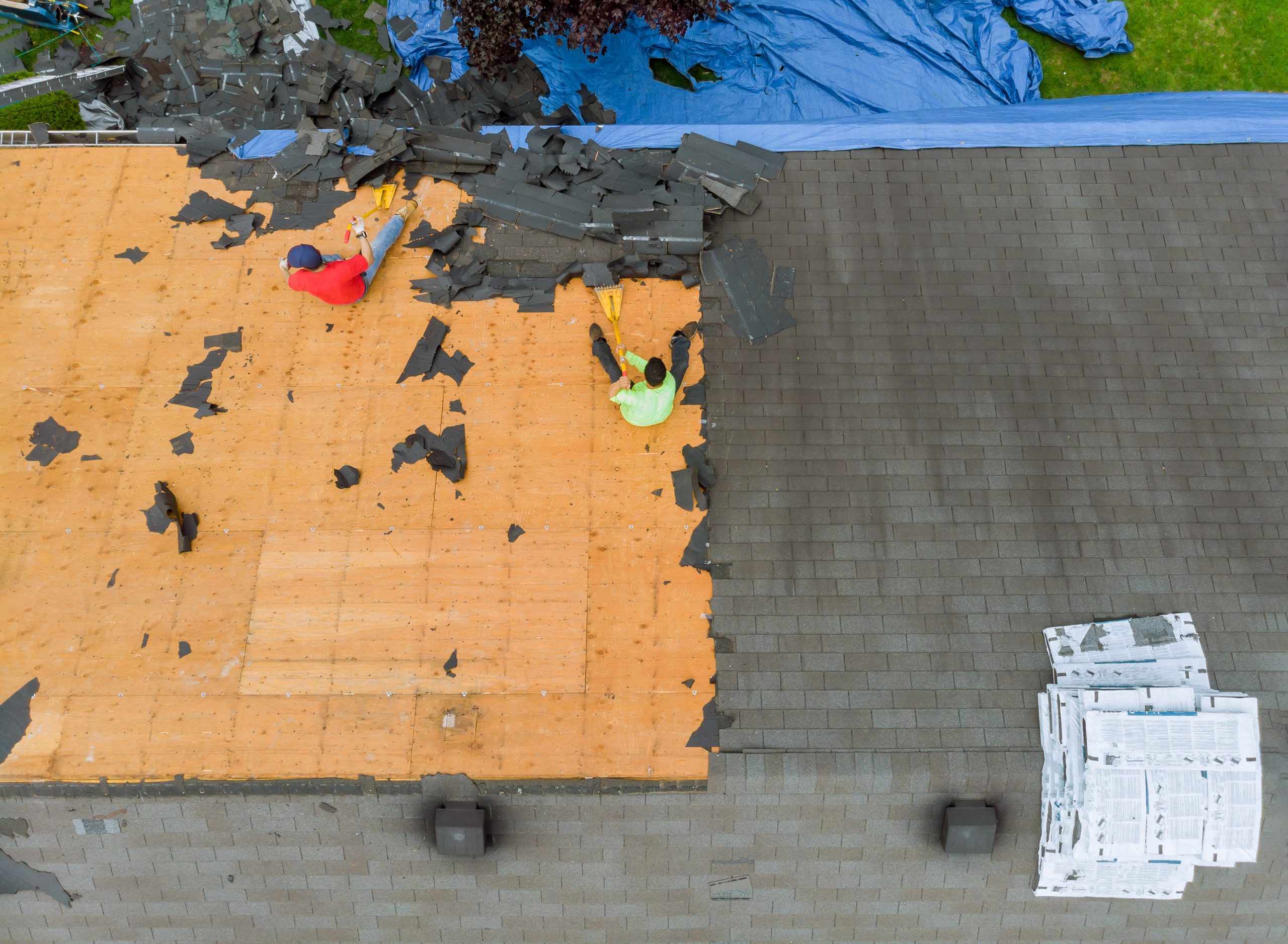
Underlayment is a secondary layer beneath the finished roof covering. It supports temporary weather protection and provides backup resistance, but it does not replace correct shingles, flashing, edge metal, or ventilation.

Quick answer
Asphalt Felt Underlayment Guide should be evaluated as part of a complete roof assembly. Material labels alone do not establish suitability; slope, deck, drainage, climate exposure, fastening, flashing, ventilation, warranty requirements, and future maintenance all affect the decision.
The safest next step is a documented evaluation and itemized scope—not roof climbing, blind patching, or choosing a product before the existing assembly is understood.
What underlayment can and cannot do
Underlayment is a secondary layer beneath the finished roof covering. It supports temporary weather protection and provides backup resistance, but it does not replace correct shingles, flashing, edge metal, or ventilation.
The repair decision should also account for age and surrounding condition. An isolated defect on a serviceable system is different from the same defect inside a pattern of brittleness, moisture, or repeated repairs.
This page supports the broader Best Roofing Materials for New Jersey Homes resource and helps North Jersey property owners compare professional recommendations using the same evidence.
Conditions that influence underlayment selection
- Roof slope and covering type. Treat the clue as evidence rather than assuming it identifies the source by itself.
- Valleys, eaves, penetrations, and leak-prone transitions. Note nearby walls, penetrations, drainage, attic conditions, and recent work.
- Exposure time before final covering. Prompt inspection is appropriate when water, movement, loose material, or repeated staining is present.
- Deck type and fastening requirements. Record when it appears, which weather preceded it, and whether the condition is spreading.
- Manufacturer and project warranty requirements. Photograph the overall area and a close view so later changes can be compared.
For asphalt felt underlayment guide, one clue does not prove one cause. Timing, weather, roof geometry, interior location, and recent work should be considered together.
Performance and installation factors
Most roofing conditions develop from multiple connected factors. The contractor should distinguish the initiating cause from damage that occurred afterward.
- Material differences in weight, slip resistance, vapor behavior, and tear strength. Age, installation, movement, moisture, and prior repairs should be considered together.
- Improper laps, wrinkles, fasteners, or exposure. Correcting only the visible result may allow the underlying problem to continue.
- Incompatible adhesives or deck conditions. Compatibility with the existing assembly determines whether a localized correction is durable.
- Water entry at edges, valleys, and penetrations. A professional should confirm this condition before selecting materials or setting the repair boundary.
- Damage during tear-off or installation traffic. The same surface symptom can result from a different uphill or concealed defect.
What should be verified before installation
Photographs should show the overall area and close details. That context helps the homeowner understand why a small visible defect may require a wider repair boundary.
- Step 1: Confirm the roof-covering and slope requirements. Safe access and non-destructive observations should come before any controlled opening or removal.
- Step 2: Inspect deck dryness, flatness, and fastening. The contractor should explain what was verified, what was inferred, and what remains concealed.
- Step 3: Plan eave, valley, wall, and penetration details. The result should support a repair, maintenance, monitoring, or replacement decision.
- Step 4: Review exposure limits and fastening instructions. This step connects the visible evidence to the scope and identifies connected components that may need work.
- Step 5: Document overlap and integration with edge metal and flashing. The finding should be documented with photographs and included in the written recommendation.
Condition, cause, and next-step table
| Observed condition or decision point | What it may indicate | Professional next step |
|---|---|---|
| Roof slope and covering type | Material differences in weight, slip resistance, vapor behavior, and tear strength | Confirm the roof-covering and slope requirements; then use an underlayment approved for the selected roof system. |
| Valleys, eaves, penetrations, and leak-prone transitions | Improper laps, wrinkles, fasteners, or exposure | Inspect deck dryness, flatness, and fastening; then add self-adhered protection at designated vulnerable areas. |
| Exposure time before final covering | Incompatible adhesives or deck conditions | Plan eave, valley, wall, and penetration details; then repair or replace unsuitable decking before installation. |
| Deck type and fastening requirements | Water entry at edges, valleys, and penetrations | Review exposure limits and fastening instructions; then sequence underlayment with drip edge and flashing correctly. |
Professional underlayment planning
A complete scope includes preparation, work to a sound boundary, compatible materials, restoration of connected details, cleanup, and final documentation. The selected option should match the confirmed condition rather than a generic package.
- Use an underlayment approved for the selected roof system. The written scope should identify the boundary, exclusions, and how hidden conditions are handled.
- Add self-adhered protection at designated vulnerable areas. Photographs before, during, and after the work help document the completed assembly.
- Repair or replace unsuitable decking before installation. A broader scope may be more reliable when deterioration extends beyond one localized detail.
- Sequence underlayment with drip edge and flashing correctly. The work should integrate with surrounding materials instead of relying on an isolated surface patch.
- Protect installed material from excessive exposure and traffic. Preparation, compatible materials, fastening, laps, and final drainage details determine performance.
What the written scope should identify
- Confirmed condition, likely cause, and work boundary
- Materials and connected components to be removed, reused, or replaced
- Known exclusions, concealed-condition allowances, and approval process
- Temporary protection compared with permanent work
- Cleanup, photographs, product records, warranty, and final walkthrough
Records to keep
- Dated inspection and weather photographs
- Itemized estimate and signed contract
- Product, color, system, and compatibility information
- Written change orders supported by photographs
- Invoice, permit when applicable, warranty, and completion records
How to choose the right level of work
Homeowners should ask what will remain in place after the work and why it is expected to remain serviceable. That question is often more useful than asking only how long the new material is warranted.
For a broader decision framework, compare Roof Repair New Jersey with Roof Replacement New Jersey. The condition of the actual property—not a generic age or product label—should control the recommendation.
What affects the project cost
Emergency response and permanent repair are different scopes. Temporary protection may limit damage, while diagnosis, material preparation, and final work occur under suitable conditions.
- Material type and coverage. Compare proposals using the same boundary, materials, cleanup, and documentation assumptions.
- Roof size, pitch, and complexity. Emergency stabilization and permanent work should be listed as separate scopes when both are needed.
- Self-adhered membrane locations. Expected service life and future disturbance should be considered with the initial price.
- Deck preparation and replacement. Ask whether this item is included, excluded, or covered by an agreed unit price.
- Labor for detailed valleys, walls, and penetrations. Access and concealed conditions can affect labor even when the visible area is small.
Questions to ask before approving the work
- What evidence confirms material differences in weight, slip resistance, vapor behavior, and tear strength?
- Will the scope include inspect deck dryness, flatness, and fastening?
- What surrounding material must be removed to complete use an underlayment approved for the selected roof system?
- Which conditions are known, and which remain concealed allowances?
- What photographs, product information, and warranty documents will be provided?
- What maintenance or reinspection should follow the work?
Common mistakes to avoid
- Treating underlayment as the primary roof. Unsafe access can cause serious injury and additional roof damage.
- Ignoring manufacturer exposure limits. The repair should address connected materials, not only the point where the symptom is visible.
- Installing over wet or uneven decking. Document the condition before temporary work changes the evidence.
- Creating reverse laps at transitions. This can hide evidence, shorten repair life, or make later diagnosis more expensive.
- Leaving fasteners or wrinkles exposed to water paths. A quick surface treatment may redirect water without creating a durable water-shedding detail.
Roofing terms connected to asphalt felt underlayment guide
- Underlayment: A secondary layer installed between roof deck and roof covering.
- Self-adhered membrane: A peel-and-stick layer used at vulnerable transitions and designated areas.
- Lap: The overlap between adjacent sheets or courses.
- Exposure limit: The maximum time a product may remain uncovered under specified conditions.
- Vapor permeability: A material's ability to allow water vapor to pass through.
Why North Jersey conditions matter
Weather history matters. A condition that appears only with northeast wind, rapid snowmelt, or a summer downpour should be evaluated differently from continuous moisture or condensation.
Wind-driven rain, freeze-thaw cycles, snow, ice, summer heat, tree debris, masonry walls, flat additions, dormers, and mixed-age construction can change the way a roof performs. Municipal requirements and permit needs can also vary, so the final scope should be verified for the specific property.
Detailed homeowner decision notes
A proposal addressing asphalt felt underlayment guide should separate observed facts from allowances. Known work can be priced directly; concealed decking, insulation, framing, masonry, or interior damage can be handled with unit prices and written approval. This approach reduces disputes and prevents a low initial number from hiding a predictable change order.
After the work, the homeowner should receive completion photographs, product information when applicable, maintenance instructions, and any warranty document. A brief follow-up after the next significant weather event can confirm that use an underlayment approved for the selected roof system is performing as intended.
The broader roof should not be ignored. If valleys, eaves, penetrations, and leak-prone transitions appears with brittleness, repeated patches, widespread staining, soft substrate, or multiple failed transitions, a localized repair may not provide the expected value. The contractor should explain the remaining condition outside the proposed boundary.
Safety is part of the scope. Height, slope, fragile surfaces, electrical equipment, skylights, snow, wet membranes, narrow side yards, and neighboring property can change access and staging. Homeowners should not test the condition by walking on the roof or pulling materials apart.
A strong recommendation explains what could happen if the issue is monitored rather than repaired. For a stable cosmetic condition, dated photographs and a defined reinspection trigger may be reasonable. Active water entry, loose components, structural movement, or an open assembly calls for prompt professional attention.
For asphalt felt underlayment guide, the repair or selection boundary should be wide enough to reach sound, compatible materials. That may require removing an adjacent course, opening a transition, lifting edge components, or exposing a small section of substrate. The proposal should explain why that access is needed and how the assembly will be restored afterward.
Original Terra Nova services and resources
Related new resources in Batches 06–08
Related roof-repair, roof-leak, gutter, storm, and replacement resources
Frequently asked questions
Is asphalt felt underlayment guide appropriate for every roof?
No. Suitability depends on slope, deck, drainage, climate exposure, existing materials, details, installation requirements, and the building owner's goals.
What should be inspected before choosing asphalt felt underlayment guide?
The contractor should verify the roof assembly, connected flashing and drainage, substrate condition, ventilation or insulation where relevant, and compatibility with the proposed system.
What most affects the cost of asphalt felt underlayment guide?
Key factors include material type and coverage, roof size, pitch, and complexity, project size, access, preparation, disposal, and concealed conditions.
Does a longer material warranty always mean a better roof?
No. Warranty terms, exclusions, registration, workmanship, maintenance duties, ventilation, and the quality of installation matter as much as the headline duration.
Can the new material be installed over the existing roof?
Sometimes, but only after confirming existing layers, deck condition, weight, moisture, attachment, flashing, drainage, manufacturer requirements, and applicable project requirements.
What records should the homeowner keep?
Keep the contract, photographs, product data, color and lot information when available, permits if applicable, invoices, warranty documents, and maintenance records.
Last reviewed by Terra Nova Construction & Roofing: July 15, 2026. This page provides general educational information. Property conditions, policy coverage, warranty terms, municipal requirements, and project scope vary.
Get a professional evaluation
Send the property address, roof age if known, photographs, weather timing, and a short description of the concern. Terra Nova can inspect the connected roof, attic, flashing, drainage, or exterior components and prepare a written North Jersey scope addressing asphalt felt underlayment guide.