
Drip Edge Installation During Roof Replacement
Drip edge is metal installed at roof edges to direct water away from decking and fascia and into the drainage path. During replacement it should be integrated with underlayment in the correct sequence for eaves and rakes, fastened properly, and coordinated with gutters.
Homeowners researching drip edge during roof replacement usually need more than a yes-or-no answer. They need to understand the condition, the connected roof components, the choices that change cost or risk, and the records that should be created before work begins.
The edge of a roof is vulnerable to wind-driven rain, capillary action, ice, and overflow. Missing or poorly placed edge metal can allow water to wet fascia or decking even when the field shingles are sound. Existing gutters and fascia condition influence the installation detail.

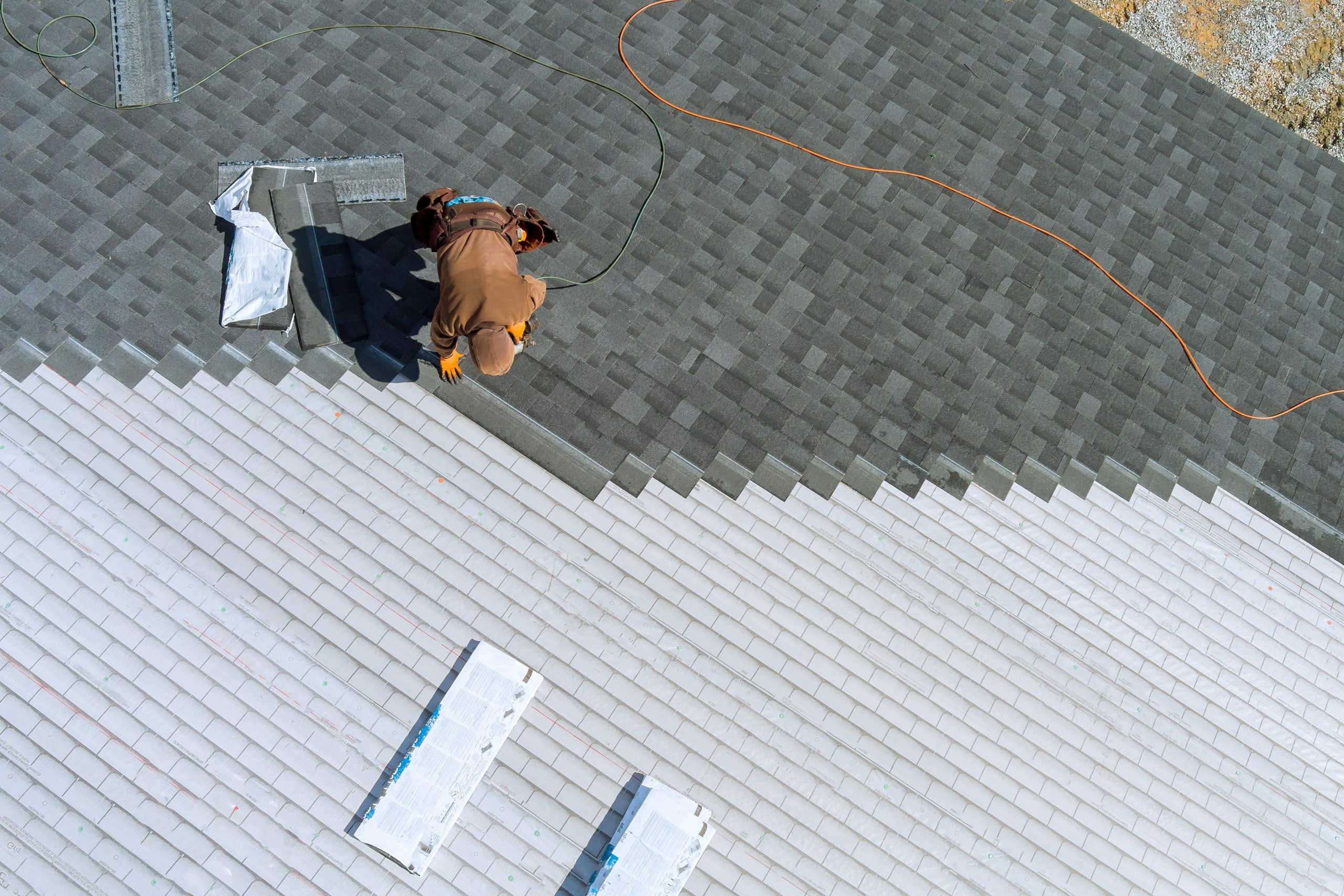
Quick answer
Drip edge is metal installed at roof edges to direct water away from decking and fascia and into the drainage path. During replacement it should be integrated with underlayment in the correct sequence for eaves and rakes, fastened properly, and coordinated with gutters.
What homeowners should understand
Roof components work as overlapping layers. The new roof is only as dependable as the weakest transition, so replacement should address accessories and penetrations instead of building around aged failures.
Manufacturer instructions, water flow, substrate condition, and compatibility should guide the detail. A component should not be selected solely because it is familiar or inexpensive.
Key factors that change the recommendation
- Eave versus rake layering with underlayment
- Metal profile, flange width, and corrosion resistance
- Fascia condition and gutter position
- Fastener spacing and overlapped joints
- Ice and water membrane at eaves
These factors should appear in the inspection notes, estimate, contract, or project photographs when they affect the scope. A clear record makes it easier to compare options and prevents important details from disappearing after tear-off begins.
Decision table: Drip Edge Installation During Roof Replacement
| Roof-system detail | What can go wrong | Replacement objective |
|---|---|---|
| Eave versus rake layering with underlayment | Installing short metal that does not reach the drainage path | Remove old edge materials and inspect wood |
| Metal profile, flange width, and corrosion resistance | Leaving gaps or reversed overlaps | Repair fascia or deck edges where needed |
| Fascia condition and gutter position | Nailing too close to edges or through improper locations | Install edge metal and membrane in specified sequence |
| Fastener spacing and overlapped joints | Ignoring rotten fascia behind the gutter | Coordinate starter shingles and gutter apron conditions |
| Ice and water membrane at eaves | Installing short metal that does not reach the drainage path | Check runoff into gutters without trapping water |
How this component fits into the new roof
- Step 1: Remove old edge materials and inspect wood
- Step 2: Repair fascia or deck edges where needed
- Step 3: Install edge metal and membrane in specified sequence
- Step 4: Coordinate starter shingles and gutter apron conditions
- Step 5: Check runoff into gutters without trapping water
Drip edge is a small part of the contract but a critical boundary detail. It should be named in the estimate rather than treated as an invisible extra.
What Terra Nova checks
- Eave versus rake layering with underlayment
- Metal profile, flange width, and corrosion resistance
- Fascia condition and gutter position
- Decking, underlayment, flashing, ventilation, and drainage connections
- Access, weather protection, cleanup, and documentation requirements
Records homeowners should keep
- Inspection photographs and measurements
- Itemized estimate and signed contract
- Material selections and product documents
- Approved change orders and hidden-condition photographs
- Final invoice, warranties, permits, and completion records
Cost, contract, and scope considerations
Component upgrades are easiest to evaluate while the roof is open. The proposal should state whether each item is included, reused, replaced, or handled by another trade.
For broader pricing context, review How Much Does a New Roof Cost in New Jersey?, then use a site-specific inspection to determine the actual roof area, pitch, layers, access, material system, flashing, ventilation, decking allowances, and disposal requirements for your property.
Common mistakes homeowners should avoid
- Installing short metal that does not reach the drainage path
- Leaving gaps or reversed overlaps
- Nailing too close to edges or through improper locations
- Ignoring rotten fascia behind the gutter
North Jersey roofing considerations
New Jersey weather tests roof edges, valleys, flashing, penetrations, and attic moisture control. Local relevance means designing for those conditions and the actual house—not repeating city names without changing the roofing analysis.
A North Jersey estimate should state how access, stories, pitch, roof sections, existing layers, disposal, protection, and hidden wood will be handled. Those details often matter more than a generic statewide average.
Related Terra Nova roofing services and original resources
- Roof Replacement New Jersey
- Roofing Contractor New Jersey
- Gutter Installation and Repair
- Roof Underlayment Guide
- Ice and Water Shield Guide
- What Does a Roof Replacement Include?
Related roof replacement resources
Related roof leak resources
Frequently asked questions
Is drip edge required on every roof?
Requirements and details vary, but edge metal is widely used to protect roof edges. Confirm the applicable design and local requirements.
Can drip edge be added without removing gutters?
Sometimes, depending on gutter position and fascia. Other conditions may require loosening or removing sections.
Does underlayment go over or under drip edge?
The sequence can differ at eaves and rakes. Follow the applicable code and roofing-system instructions.
What color should drip edge be?
It is often coordinated with fascia, gutters, trim, or roof color, but performance and compatibility come first.
Can old drip edge be reused?
It should be evaluated for damage, dimensions, fastening, and compatibility. Replacement is often practical during tear-off.
Will drip edge stop gutter overflow?
No. It directs edge runoff, but gutter size, pitch, clogs, and downspouts control overflow.
Last reviewed by Terra Nova Construction & Roofing: July 15, 2026. This page provides general educational information; property conditions, contracts, financing, insurance coverage, warranty terms, and municipal requirements vary.
Get a roof replacement evaluation
Send your address, the roof concern, known age, and photographs if available. Terra Nova can inspect the relevant roof sections, explain the options, and prepare a written scope for your North Jersey property.