
Insulation Upgrades During Roof Replacement
Roof replacement can reveal insulation, ventilation, and air-sealing problems, but the roof surface is not always the best access point for insulation work. Evaluate attic access, moisture, ventilation channels, thermal boundaries, and electrical safety before combining scopes.
The search for insulation upgrades during roof replacement often begins after an inspection, leak, storm, sale, or budget concern. The best next step is a scope that separates confirmed conditions, likely unknowns, required work, and optional upgrades.
Homeowners sometimes expect new shingles to make upper floors dramatically cooler or stop winter condensation. Roofing protects against exterior water; insulation and air sealing control heat flow and interior moisture. Coordinating the systems can improve comfort, but each problem needs its own diagnosis.

Quick answer
Roof replacement can reveal insulation, ventilation, and air-sealing problems, but the roof surface is not always the best access point for insulation work. Evaluate attic access, moisture, ventilation channels, thermal boundaries, and electrical safety before combining scopes.
What homeowners should understand
Manufacturer instructions, water flow, substrate condition, and compatibility should guide the detail. A component should not be selected solely because it is familiar or inexpensive.
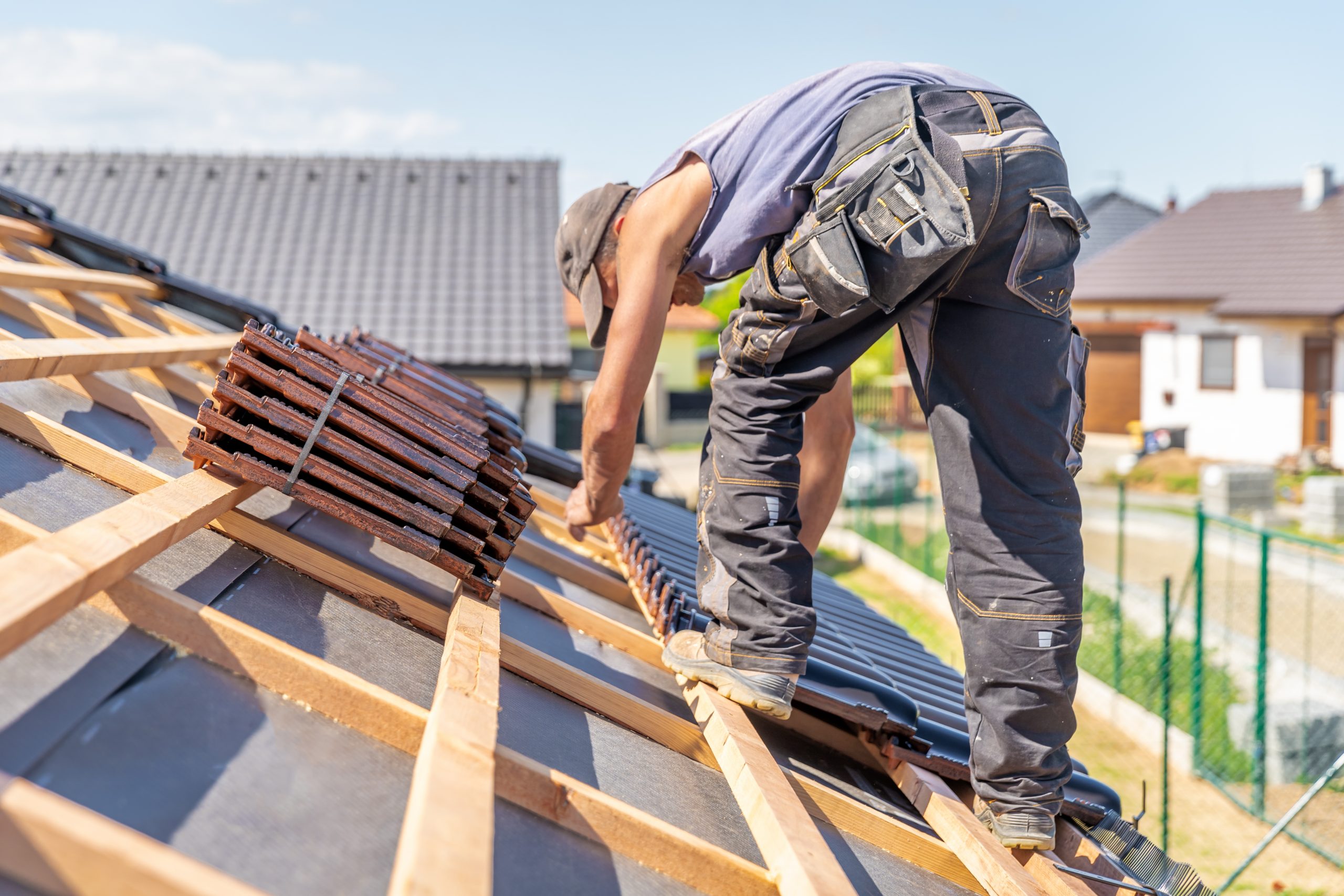
Tear-off provides rare access to concealed flashing, deck edges, valleys, and penetrations. Correcting these details during replacement is usually less disruptive than reopening the finished roof later.
Key factors that change the recommendation
- Existing insulation depth, type, and condition
- Air leakage around lights, chases, hatches, and partitions
- Soffit baffles and ventilation paths
- Wet or contaminated insulation from prior leaks
- Finished attics, cathedral ceilings, and knee-wall geometry
These factors should appear in the inspection notes, estimate, contract, or project photographs when they affect the scope. A clear record makes it easier to compare options and prevents important details from disappearing after tear-off begins.
Decision table: Insulation Upgrades During Roof Replacement
| Roof-system detail | What can go wrong | Replacement objective |
|---|---|---|
| Existing insulation depth, type, and condition | Adding insulation over wet materials | Inspect attic and document moisture before tear-off |
| Air leakage around lights, chases, hatches, and partitions | Blocking soffit intake with loose fill | Identify the thermal and air boundary |
| Soffit baffles and ventilation paths | Covering unsafe wiring or heat-producing fixtures | Repair roof leaks and damaged decking first |
| Wet or contaminated insulation from prior leaks | Promising comfort improvements from shingles alone | Air-seal safely before adding insulation where appropriate |
| Finished attics, cathedral ceilings, and knee-wall geometry | Adding insulation over wet materials | Maintain ventilation clearances and inspect completed work |
How this component fits into the new roof
- Step 1: Inspect attic and document moisture before tear-off
- Step 2: Identify the thermal and air boundary
- Step 3: Repair roof leaks and damaged decking first
- Step 4: Air-seal safely before adding insulation where appropriate
- Step 5: Maintain ventilation clearances and inspect completed work
Insulation work should follow building-science principles and applicable safety requirements. A roofing contractor may coordinate with an insulation specialist when the scope extends beyond roof-system work.
What Terra Nova checks
- Existing insulation depth, type, and condition
- Air leakage around lights, chases, hatches, and partitions
- Soffit baffles and ventilation paths
- Decking, underlayment, flashing, ventilation, and drainage connections
- Access, weather protection, cleanup, and documentation requirements
Records homeowners should keep
- Inspection photographs and measurements
- Itemized estimate and signed contract
- Material selections and product documents
- Approved change orders and hidden-condition photographs
- Final invoice, warranties, permits, and completion records
Cost, contract, and scope considerations
Component upgrades are easiest to evaluate while the roof is open. The proposal should state whether each item is included, reused, replaced, or handled by another trade.
For broader pricing context, review How Much Does a New Roof Cost in New Jersey?, then use a site-specific inspection to determine the actual roof area, pitch, layers, access, material system, flashing, ventilation, decking allowances, and disposal requirements for your property.
Common mistakes homeowners should avoid
- Adding insulation over wet materials
- Blocking soffit intake with loose fill
- Covering unsafe wiring or heat-producing fixtures
- Promising comfort improvements from shingles alone
North Jersey roofing considerations
North Jersey roofs experience wind-driven rain, snow, ice, summer heat, freeze-thaw cycles, and rapid weather changes. Older housing stock also means contractors frequently encounter plank decks, multiple additions, masonry chimneys, short low-slope roofs, and layers installed in different decades.
Terra Nova Construction & Roofing serves Garfield, Clifton, Lodi, Passaic, Hackensack, Elmwood Park, Wallington, Paramus, Wayne, Montclair, and surrounding North Jersey communities. A site inspection is used to convert general guidance into a property-specific recommendation.
Related Terra Nova roofing services and original resources
- Roof Replacement New Jersey
- Roofing Contractor New Jersey
- Best Roof Ventilation for Your Home
- Roof Inspection in North Jersey
- Roof Leak Repair New Jersey
- What Does a Roof Replacement Include?
Related roof replacement resources
Related roof leak resources
Frequently asked questions
Does a new roof include new attic insulation?
Not automatically. Roofing and insulation are separate scopes unless the contract states otherwise.
Should wet insulation be replaced?
Wet insulation should be evaluated after the leak source is corrected. Drying, removal, and contamination concerns depend on condition.
Can insulation block roof vents?
Yes. Baffles or other methods are used to keep intake channels open.
Will roof replacement lower energy bills?
A sound roof prevents water entry, but energy performance also depends on insulation, air sealing, HVAC, windows, and behavior.
Can insulation be added from the roof during tear-off?
Some assemblies allow access, but the method must protect the deck, ventilation, and interior. It is not universally appropriate.
Who should evaluate mold-like growth?
Significant or uncertain conditions may require a qualified moisture or environmental professional in addition to roof repair.
Last reviewed by Terra Nova Construction & Roofing: July 15, 2026. This page provides general educational information; property conditions, contracts, financing, insurance coverage, warranty terms, and municipal requirements vary.
Get a roof replacement evaluation
Send your address, the roof concern, known age, and photographs if available. Terra Nova can inspect the relevant roof sections, explain the options, and prepare a written scope for your North Jersey property.