
How Roof Age Can Affect an Insurance Claim
A useful guide to roof age and insurance claim should separate roof condition and contractor scope from policy interpretation, claim handling, and payment decisions controlled by the insurance company.
A dependable answer to roof age and insurance claim starts with diagnosis. Water, wind, debris, aging, and drainage problems can travel through several connected components before the homeowner sees a stain, loose material, overflow, or damage at ground level.
A useful guide to roof age and insurance claim should separate roof condition and contractor scope from policy interpretation, claim handling, and payment decisions controlled by the insurance company. The goal is to leave the homeowner with a repair that can be inspected, maintained, and understood rather than a vague patch with no defined limitations.

Quick answer
A useful guide to roof age and insurance claim should separate roof condition and contractor scope from policy interpretation, claim handling, and payment decisions controlled by the insurance company.
The safest next step is a documented inspection and itemized scope—not roof climbing or a blind surface patch.
Why this issue deserves a complete diagnosis
The phrase roof age and insurance claim can describe several different conditions. Two homes with a similar visible symptom may require different work because the roof type, age, pitch, drainage pattern, surrounding materials, and history of previous repairs are different.
This page supports the broader Homeowners Insurance and Roof Replacement resource and is designed to help homeowners ask better questions before approving work.
Warning signs to look for
- An estimate that differs materially from the insurer’s initial document
- Temporary repairs completed to prevent additional damage
- Requests for photographs, invoices, maintenance records, or proof of age
- A recent event followed by visible roof changes or interior damage
- Questions about deductibles, depreciation, matching, or scope
One symptom does not prove one cause. Patterns, timing, weather, and connected components should be considered together.
Why this problem develops
Most failures develop from a combination of exposure and details rather than one dramatic cause. For roof age and insurance claim, a contractor should review installation, age, movement, moisture, prior repairs, and the way water or wind reaches the area.
- Incomplete documentation of temporary and permanent work
- Different measurements or assumptions about affected roof sections
- Policy terms, exclusions, limits, and settlement methods
- Hidden conditions discovered after work begins
- Material availability or matching issues
How Terra Nova evaluates the affected system
Terra Nova begins with safe exterior and interior observations, then narrows the repair boundary. The inspection records what is confirmed, what is suspected, what cannot be seen without removal, and what would trigger a written change order.
- Step 1: Ask the insurer or licensed coverage professional to explain policy decisions
- Step 2: Read the policy and claim correspondence rather than relying on summaries
- Step 3: Document roof and interior conditions with dates
- Step 4: Keep temporary-repair invoices and photographs
- Step 5: Compare insurer and contractor scopes line by line
Condition, cause, and next-step table
| Observed condition | What it may indicate | Professional next step |
|---|---|---|
| A recent event followed by visible roof changes or interior damage | Different measurements or assumptions about affected roof sections | Respond to requests with organized supporting records |
| Questions about deductibles, depreciation, matching, or scope | Policy terms, exclusions, limits, and settlement methods | Use written change orders for concealed conditions |
| An estimate that differs materially from the insurer’s initial document | Hidden conditions discovered after work begins | Complete covered and homeowner-elected work under a clear contract |
| Temporary repairs completed to prevent additional damage | Material availability or matching issues | Escalate policy disputes through appropriate insurance or legal channels rather than the roofer |
How the affected system can be restored
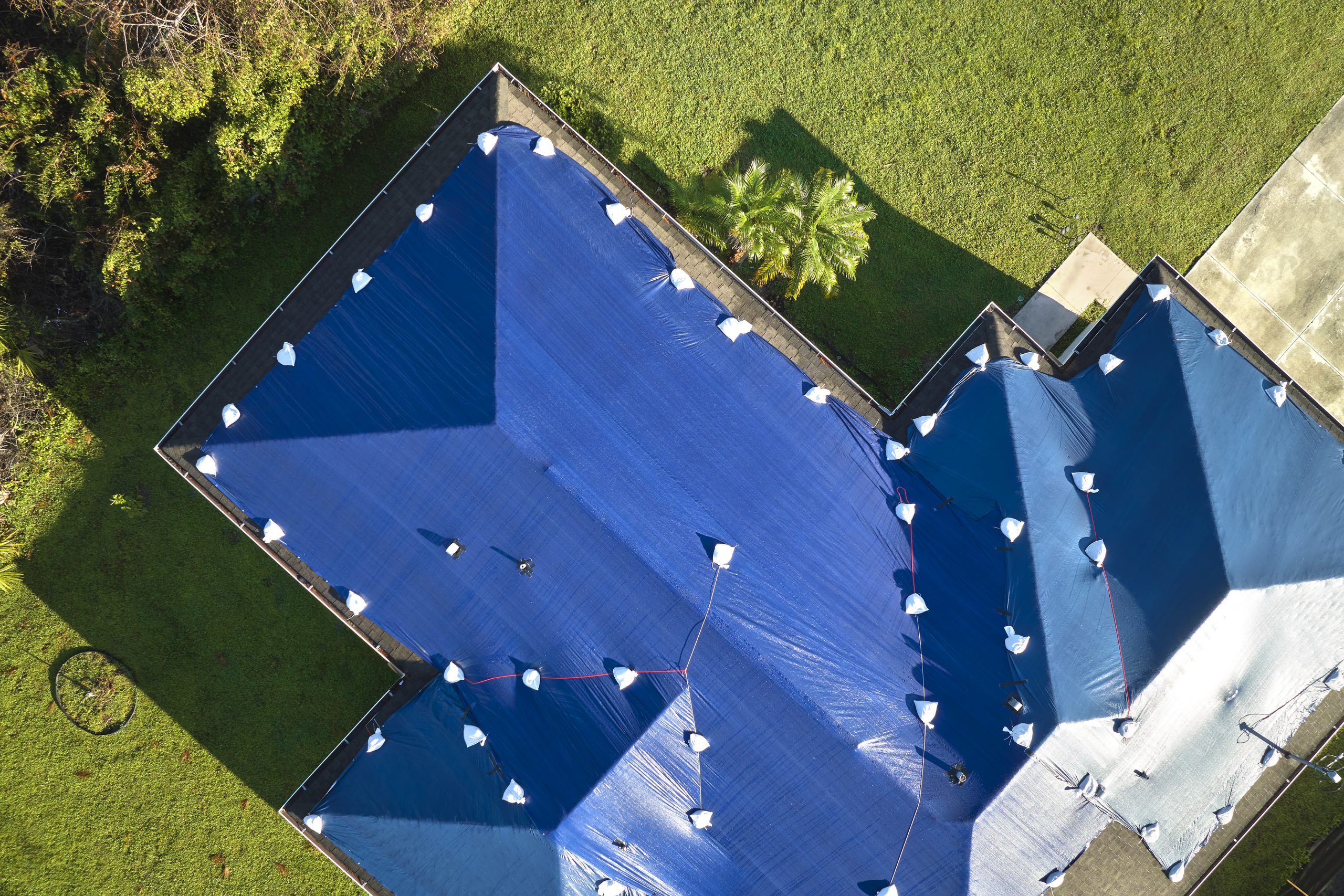
Temporary protection and permanent work should be named separately. Tarping, sealant, or emergency stabilization can reduce immediate exposure, but it should not be presented as the final repair unless the system is actually rebuilt to a durable standard.
- Complete covered and homeowner-elected work under a clear contract
- Escalate policy disputes through appropriate insurance or legal channels rather than the roofer
- Provide accurate contractor measurements and repair scope
- Respond to requests with organized supporting records
- Use written change orders for concealed conditions
What the written scope should identify
- Confirmed cause and repair boundary
- Materials and components to be removed or reused
- Known exclusions and concealed-condition process
- Temporary protection versus permanent work
- Cleanup, photographs, warranty, and final walkthrough
Records to keep
- Dated inspection photographs
- Itemized estimate and signed contract
- Product and color selections
- Written change orders with supporting photos
- Invoice, warranty, permit, and completion records
When a targeted repair is enough
The homeowner should compare the expected life of the repair with the cost and disruption of future mobilization. A low-cost patch may be sensible on a young roof with one defect, but poor value on an aging system with repeated leaks and multiple failing components.
For a broader decision framework, compare Roof Repair New Jersey with Roof Replacement New Jersey and use the actual condition of the property to choose the scope.
Budget factors homeowners should compare
Emergency work may be invoiced separately from permanent repair. Insurance documentation, specialty trades, interior restoration, or underground drainage can also fall outside the roofing or gutter contract and should be identified before work begins.
- Settlement method and release of depreciation
- Items included, excluded, or limited by the policy
- Emergency mitigation and temporary repairs
- Difference between insurer pricing assumptions and actual contracted work
- Deductible and homeowner-selected upgrades
Shortcuts that often create repeat problems
- Failing to keep invoices for reasonable temporary protection
- Signing documents without understanding assignment or payment terms
- Treating every disagreement as proof of bad faith without reviewing the policy and evidence
- Assuming a contractor can promise claim approval
- Confusing the roofing estimate with a coverage decision
North Jersey conditions that affect this work
North Jersey properties include steep suburban roofs, flat additions, attached homes, masonry transitions, mature trees, narrow side yards, and older construction that has been modified over several decades. Access and neighboring-property protection can materially affect the work plan.
Municipal permit or inspection requirements can vary with the location and scope. The contract should state who verifies applicable requirements and how concealed conditions or scope changes will be documented.
A practical repair and documentation process
- Step 1: Discuss the symptom, history, and urgency
- Step 2: Inspect and document the connected system
- Step 3: Explain repair, replacement, and monitoring options
- Step 4: Provide a written scope with clear assumptions
- Step 5: Complete the work, cleanup, photographs, and walkthrough
Original Terra Nova services and resources
- Homeowners Insurance and Roof Replacement
- How to Identify Roof Storm Damage
- What Hail Damage Looks Like on a Roof
- Roof Inspection in North Jersey
- Roof Repair New Jersey
- Roof Replacement New Jersey
- Roof Leak Repair New Jersey
Related new resources in these production batches
Related roof-leak and roof-replacement resources
Frequently asked questions
Does this information guarantee that my claim will be covered?
No. Roof condition and contractor scope can be documented, but the insurance company applies the policy and makes the coverage decision.
What records help support a roof insurance claim?
Keep dated photographs, inspection notes, temporary-repair invoices, contractor measurements, estimates, claim correspondence, and proof of completed work.
Can Terra Nova interpret my insurance policy?
Terra Nova can explain roofing conditions and scope. Policy interpretation should come from the insurer, a licensed public adjuster where permitted, or qualified legal counsel.
Should emergency work wait for the adjuster?
Protecting people and preventing additional damage may be necessary before an inspection. Use reasonable temporary measures, photograph conditions, and keep receipts.
Why can the contractor estimate differ from the insurer estimate?
Measurements, quantities, repair boundaries, pricing databases, material availability, and concealed conditions can differ. Compare the documents line by line.
What should I do before signing a roofing contract?
Verify the contractor, read payment and cancellation terms, confirm the scope, understand how claim funds will be handled, and keep all promises in writing.
Last reviewed by Terra Nova Construction & Roofing: July 15, 2026. This page provides general educational information. Property conditions, policy coverage, warranty terms, municipal requirements, and project scope vary.
Get a professional evaluation
Send the property address, known age, photographs, and a short description of the concern. Terra Nova can inspect the connected roof or drainage components and prepare a written North Jersey scope.