Hidden Costs of Roof Replacement
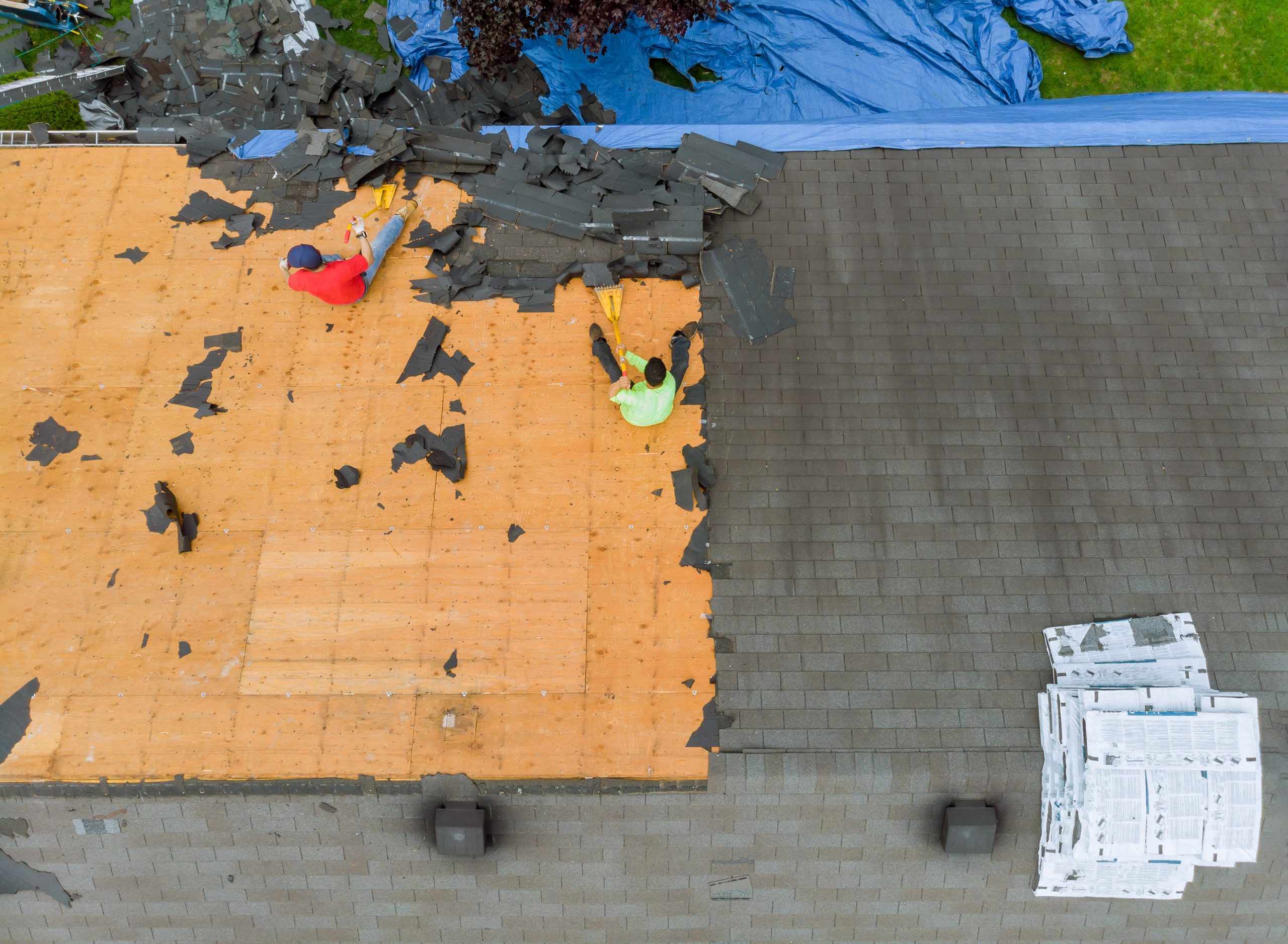
The most common roof-replacement surprises are not “mystery fees”; they are conditions that cannot be confirmed fully until tear-off, such as rotten decking, concealed flashing failures, code-required corrections, damaged fascia, complex access, multiple layers, or disposal beyond the assumed scope.
The search for hidden costs of roof replacement often begins after an inspection, leak, storm, sale, or budget concern. The best next step is a scope that separates confirmed conditions, likely unknowns, required work, and optional upgrades.
A strong proposal reduces surprises by measuring the roof accurately, inspecting accessible attic areas, documenting known damage, identifying allowances, and listing unit prices. It should also distinguish required system work from optional upgrades. Homeowners can then reserve a reasonable contingency without accepting an open-ended contract.

Quick answer
The most common roof-replacement surprises are not “mystery fees”; they are conditions that cannot be confirmed fully until tear-off, such as rotten decking, concealed flashing failures, code-required corrections, damaged fascia, complex access, multiple layers, or disposal beyond the assumed scope.
What homeowners should understand
Transparent allowances convert uncertainty into a manageable decision. The homeowner can see which conditions are known, which remain hidden, and how additional work will be measured.
Roof replacement pricing is a scope comparison, not a commodity quote. Flashing, ventilation, decking, access, and cleanup can change value even when two proposals use the same shingle brand.
Key factors that change the recommendation
- Decking, sheathing, or structural wood uncovered during tear-off
- Extra layers and heavier disposal loads
- Chimney, wall, skylight, or valley flashing reconstruction
- Ventilation, drainage, or low-slope transitions that need correction
- Permits, access equipment, parking, and protection requirements
These factors should appear in the inspection notes, estimate, contract, or project photographs when they affect the scope. A clear record makes it easier to compare options and prevents important details from disappearing after tear-off begins.
Decision table: Hidden Costs of Roof Replacement
| Decision point | Why it matters | What to verify |
|---|---|---|
| Decking, sheathing, or structural wood uncovered during tear-off | It changes total cost, timing, documentation, or homeowner responsibility. | Request a detailed inspection and photographs |
| Extra layers and heavier disposal loads | It changes total cost, timing, documentation, or homeowner responsibility. | Ask which items are included, excluded, or allowances |
| Chimney, wall, skylight, or valley flashing reconstruction | It changes total cost, timing, documentation, or homeowner responsibility. | Confirm decking unit prices and approval rules |
| Ventilation, drainage, or low-slope transitions that need correction | It changes total cost, timing, documentation, or homeowner responsibility. | Review disposal, permit, and cleanup language |
| Permits, access equipment, parking, and protection requirements | It changes total cost, timing, documentation, or homeowner responsibility. | Set aside a contingency and require written changes |
How to control roof-replacement uncertainty
- Step 1: Request a detailed inspection and photographs
- Step 2: Ask which items are included, excluded, or allowances
- Step 3: Confirm decking unit prices and approval rules
- Step 4: Review disposal, permit, and cleanup language
- Step 5: Set aside a contingency and require written changes
The best way to control hidden costs is transparency before work and documentation during tear-off. A cheaper proposal with missing scope can become more expensive than a complete proposal.
What Terra Nova checks
- Decking, sheathing, or structural wood uncovered during tear-off
- Extra layers and heavier disposal loads
- Chimney, wall, skylight, or valley flashing reconstruction
- Decking, underlayment, flashing, ventilation, and drainage connections
- Access, weather protection, cleanup, and documentation requirements
Records homeowners should keep
- Inspection photographs and measurements
- Itemized estimate and signed contract
- Material selections and product documents
- Approved change orders and hidden-condition photographs
- Final invoice, warranties, permits, and completion records
Cost, contract, and scope considerations
Compare included work, exclusions, unit prices, and approval rules. A transparent higher initial quote can cost less than a vague proposal that moves essential details into change orders.
For broader pricing context, review How Much Does a New Roof Cost in New Jersey?, then use a site-specific inspection to determine the actual roof area, pitch, layers, access, material system, flashing, ventilation, decking allowances, and disposal requirements for your property.
Common mistakes homeowners should avoid
- Comparing only the bottom-line price
- Accepting “wood extra” without a rate or measurement method
- Assuming old flashing can always be reused
- Adding upgrades during the project without tracking their cost
North Jersey roofing considerations
New Jersey weather tests roof edges, valleys, flashing, penetrations, and attic moisture control. Local relevance means designing for those conditions and the actual house—not repeating city names without changing the roofing analysis.
Terra Nova Construction & Roofing serves Garfield, Clifton, Lodi, Passaic, Hackensack, Elmwood Park, Wallington, Paramus, Wayne, Montclair, and surrounding North Jersey communities. A site inspection is used to convert general guidance into a property-specific recommendation.
Related Terra Nova roofing services and original resources
- Roof Replacement New Jersey
- Roofing Contractor New Jersey
- How Much Does a New Roof Cost in New Jersey?
- What Does a Roof Replacement Include?
- Roof Decking Replacement Cost
- How to Compare Roofing Quotes
- How Many Shingle Layers Are Allowed in New Jersey?
- Roof Replacement Permits in New Jersey
Related roof replacement resources
Related roof leak resources
Frequently asked questions
How much contingency should I keep?
The appropriate reserve depends on roof age, visible condition, attic evidence, layers, and complexity. Ask the contractor which unknowns remain after inspection.
Can rotten decking be seen before tear-off?
Sometimes it is visible from the attic or through soft areas, but shingles and underlayment can conceal damage.
Should flashing replacement be included?
Critical flashing should be addressed in the scope. Some assemblies require reconstruction rather than simple reuse.
Do multiple shingle layers cost more to remove?
They can increase labor, disposal weight, and decking exposure. Confirm the assumed number of layers.
Are permits a hidden cost?
They should not be hidden. The proposal should state who obtains required permits and whether fees are included.
How do I approve unexpected work?
Use photographs, measured quantities, written pricing, and a signed change order before additional non-emergency work proceeds.
Last reviewed by Terra Nova Construction & Roofing: July 15, 2026. This page provides general educational information; property conditions, contracts, financing, insurance coverage, warranty terms, and municipal requirements vary.
Get a roof replacement evaluation
Send your address, the roof concern, known age, and photographs if available. Terra Nova can inspect the relevant roof sections, explain the options, and prepare a written scope for your North Jersey property.