
Roof Replacement with Multiple Shingle Layers
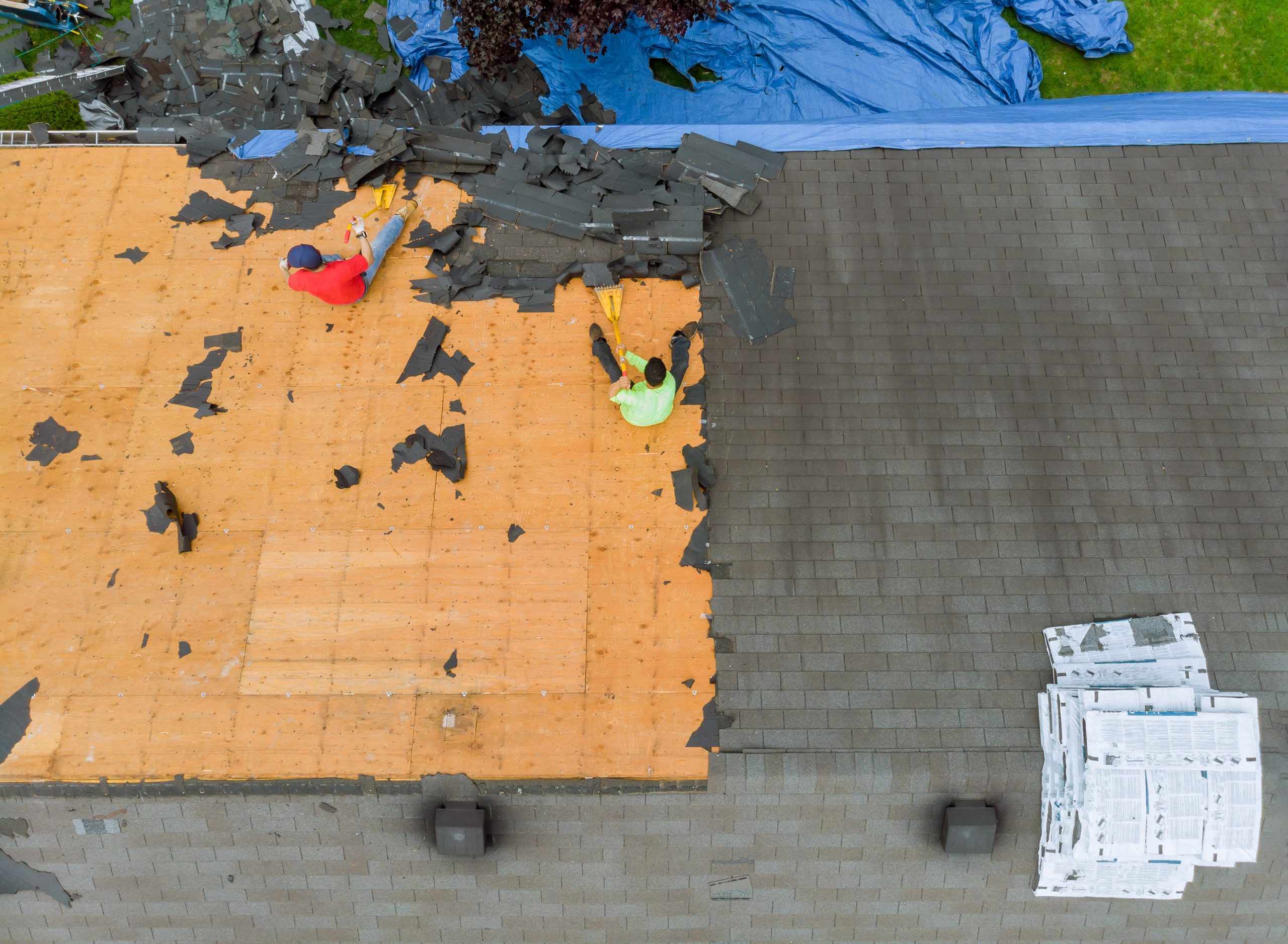
A roof with multiple shingle layers usually requires full tear-off to expose the deck, correct flashing, remove excess weight, and install the new system on a suitable substrate. The contract should state the assumed layers and disposal method because additional layers increase labor and debris.
The search for roof replacement with multiple shingle layers often begins after an inspection, leak, storm, sale, or budget concern. The best next step is a scope that separates confirmed conditions, likely unknowns, required work, and optional upgrades.
Layer count may be visible at eaves, rakes, penetrations, or attic openings, but repairs can hide changes across roof sections. Multiple layers can conceal old leaks, brittle shingles, trapped flashing, uneven surfaces, and decking damage that cannot be evaluated from above.

Quick answer
A roof with multiple shingle layers usually requires full tear-off to expose the deck, correct flashing, remove excess weight, and install the new system on a suitable substrate. The contract should state the assumed layers and disposal method because additional layers increase labor and debris.
What homeowners should understand
Repair and replacement are not opposites; they are points on a condition spectrum. A written comparison should show what each option corrects, what remains, and how long the result is expected to be practical.
A boundary between old and new roofing must function physically and financially. If it creates a weak seam or requires another major mobilization soon, the lower initial scope may not be the better value.
Key factors that change the recommendation
- Number and type of existing roof layers
- Weight and disposal volume
- Condition of deck and flashing beneath layers
- Edge height, gutter relationship, and penetrations
- Applicable requirements and manufacturer instructions
These factors should appear in the inspection notes, estimate, contract, or project photographs when they affect the scope. A clear record makes it easier to compare options and prevents important details from disappearing after tear-off begins.
Decision table: Roof Replacement with Multiple Shingle Layers
| Condition to evaluate | Risk if ignored | Practical next step |
|---|---|---|
| Number and type of existing roof layers | Pricing one-layer removal without checking the edges | Confirm likely layer count during inspection |
| Weight and disposal volume | Installing another layer over an uneven or damaged surface | Include layer assumptions and additional-layer pricing |
| Condition of deck and flashing beneath layers | Leaving buried flashing in place | Remove all coverings to the deck |
| Edge height, gutter relationship, and penetrations | Failing to plan for heavier debris and cleanup | Document hidden damage and repair the substrate |
| Applicable requirements and manufacturer instructions | Pricing one-layer removal without checking the edges | Install the new roof as a complete system |
How to compare repair, partial work, and replacement
- Step 1: Confirm likely layer count during inspection
- Step 2: Include layer assumptions and additional-layer pricing
- Step 3: Remove all coverings to the deck
- Step 4: Document hidden damage and repair the substrate
- Step 5: Install the new roof as a complete system
Full tear-off costs more than a simple overlay, but it provides access to the deck and transitions that determine long-term performance. The new roof should not inherit concealed failures from earlier installations.
What Terra Nova checks
- Number and type of existing roof layers
- Weight and disposal volume
- Condition of deck and flashing beneath layers
- Decking, underlayment, flashing, ventilation, and drainage connections
- Access, weather protection, cleanup, and documentation requirements
Records homeowners should keep
- Inspection photographs and measurements
- Itemized estimate and signed contract
- Material selections and product documents
- Approved change orders and hidden-condition photographs
- Final invoice, warranties, permits, and completion records
Cost, contract, and scope considerations
Compare the immediate scope with remaining roof life, future mobilization, matching, warranty, and transition risk. The lowest initial price is not always the lowest ownership cost.
For broader pricing context, review How Much Does a New Roof Cost in New Jersey?, then use a site-specific inspection to determine the actual roof area, pitch, layers, access, material system, flashing, ventilation, decking allowances, and disposal requirements for your property.
Common mistakes homeowners should avoid
- Pricing one-layer removal without checking the edges
- Installing another layer over an uneven or damaged surface
- Leaving buried flashing in place
- Failing to plan for heavier debris and cleanup
North Jersey roofing considerations
Homes across Bergen, Passaic, Essex, Hudson, Morris, and Union counties vary from tightly spaced urban properties to steep suburban roofs and historic construction. Access, parking, neighbor protection, municipal requirements, and drainage can materially affect the work plan.
Municipal permit or inspection requirements can vary by location and scope. The contract should state who verifies and handles applicable requirements before work starts.
Related Terra Nova roofing services and original resources
- Roof Replacement New Jersey
- Roofing Contractor New Jersey
- How Many Shingle Layers Are Allowed in New Jersey?
- Can You Put a New Roof Over an Old Roof?
- Roof Decking Replacement Cost
- What Does a Roof Replacement Include?
Related roof replacement resources
Related roof leak resources
Frequently asked questions
How can I tell how many shingle layers I have?
Inspect exposed edges and penetrations from a safe location, or have a roofer check. Repairs can make layer count inconsistent.
Do multiple layers make a roof hotter?
Many factors affect temperature. The larger concerns are weight, unevenness, hidden damage, and inability to inspect the deck.
Can all layers be removed in one day?
Timing depends on roof size, layers, access, crew, weather, and decking repairs.
Does extra tear-off cost more?
Yes, additional labor, disposal weight, and equipment can increase cost. The estimate should explain assumptions.
Will the fascia or gutters be affected?
Thick roof edges can alter old drip and gutter relationships. Tear-off allows the edge to be rebuilt correctly.
Can an overlay warranty apply over multiple layers?
Product and local requirements vary. Confirm the roof-system instructions and written warranty conditions.
Last reviewed by Terra Nova Construction & Roofing: July 15, 2026. This page provides general educational information; property conditions, contracts, financing, insurance coverage, warranty terms, and municipal requirements vary.
Get a roof replacement evaluation
Send your address, the roof concern, known age, and photographs if available. Terra Nova can inspect the relevant roof sections, explain the options, and prepare a written scope for your North Jersey property.